Mercury Retrograde 7/7/19-7/31/19

What does it mean when Mercury is in Retrograde?

Three or four times a year, planet Mercury is said to go retrograde — that is to say it moves in an opposite direction to planet Earth. … The same thing happens when our planet passes Mercury in our orbit around the sun. Mercury is just moving slower than Earth, causing the illusion that it’s moving in retrograde.

General Do’s and Don’ts of Mercury Retrograde

DO:

  1. Brainstorm. Think of every available solution to the problems you’re facing – one of them has to work eventually.
  2. Be flexible, adaptable, and patient. You may have to step outside of your comfort zone to come up with the right fix.
  3. Think in broad terms. The bigger and farther reaching the solution is, the more likely it is to work.
  4. Stay updated on delays and cancellations while traveling.
  5. Keep an eye on warning lights on your car’s dash and stay on top of all regularly scheduled maintenance appointments to ensure things are running as smoothly as possible. Monitor the gas in the tank (that little arrow pointing to F or E might not be as accurate as you think).
  6. Back up your computer and phone so you don’t lose important data if they shut down without warning.
  7. Revisit persistent issues from the past. You know that one thing that’s really been on your mind lately? The one that keeps you up at night? This is the perfect time to address it and try to resolve it once and for all.

DON’T:

  1. Get into a negative thinking cycle. Things may be falling apart around you but staying positive and remembering this is just a speedbump will help you get through it. You’ve got this!
  2. Be a lone wolf. When things break, make an appointment with a professional to get them fixed and then sit tight rather than trying to impatiently DIY it.
  3. Exaggerate. Things are bad enough without stretching the truth, aren’t they?!
  4. Plan a big presentation or draft up important papers (especially legal documents). If you can’t avoid tasks like this, pay close attention to the details.
  5. Rely only on technology. If you have an important meeting coming up, write down or print out info you know you’ll need.
  6. Rush. Slowing down the pace can help you eliminate costly mistakes.
  7. Have unrealistic expectations. Because of misunderstandings and mix-ups, things may not turn out as you’d planned. Avoid disappointment by keeping expectations relatively low.
  8. Set unrealistic timelines. Red tape can keep documents in a holding pattern for a long, long time.

How Mercury Retrograde Affects Your Health and Mood

When you’re stressed, you have a harder time getting to sleep – and during Mercury retrograde your stress and anxiety levels can be through the roof. Lying awake at night wondering how you could have prevented the day’s mistakes or worrying about what could happen tomorrow will take a toll on your health.

And to make matters worse, sleep deprivation can cause even more problems like being tired, anxious and distracted, only furthering the effects of Mercury retrograde! Your exercise routine can also be thrown off by gym equipment malfunctioning or the battery on your activity tracker dying. Meals can even become problematic if the fridge or freezer breaks down, stove malfunctions or microwave freaks out. The following are some tips to keep your body and mind in top shape during Mercury retrograde.

Tips for Taking Care of Your Body and Mind

DO:

  1. Make sure your alarm is set properly before going to bed so that you don’t wake up late and feel rushed.
  2. Listen to quiet music, put on noise-canceling headphones, or wear a sleep mask – anything that will shut out distractions, let you drift off to sleep and have peaceful dreams.
  3. Plan a digital detox. If there’s ever a great time to take a break from your electronics and close out of your social media apps, it’s Mercury retrograde.
  4. Practice some breathing exercises to utilize when you’re having a technology or travel snafu. There’s no use getting worked up about something you can’t control.

DON’T:

  1. Plan elaborate meals using fancy kitchen gadgets.The simpler the better.
  2. Watch the news or violent TV shows/movies right before bedtime.
  3. Use your phone or other bright electronic devices in bed.
  4. Drink caffeine or eat anything spicy that might keep you up past your bedtime.

Positive Affirmation How-To’s

1. Present Tense

  • Say your affirmation as if you already have it, not as if you will have in the future.

Eg: “I am happy.” Not: “I will be happy” or “I want to be happy.” (Unless you’re developing your desire to be happy. Then “I want to be happy” is a perfect affirmation.)

2. Positive Phrasing

  • Say what you do want, not what you don’t want. Eg: “I am happy.” Not: “I’m no longer depressed.”

3. Short And Simple

  • Eg: “I am happy.” Not: “I am happy and all my dreams come true, and I live in grateful abundance and harmony in a world overflowing with grateful abundance and harmony for all beings forever.”

4. Relatively Believable

  • Don’t go so far out from where you are now that it seems impossible. Eg: “I am happy.” Not: “I live in constant ecstacy, 24/7.”

5. Start Fresh

  • It’s better to start over rather than trying to change something. Eg: “I am happy.” Not: “I am free of this burden.”

6. Stay Real

  • Don’t tell yourself you’re happy when your puppy has just died. Eg: “I am grateful for the time we had together.” Not: “I am happy, I am happy, I am happy, goshdarnit!”

7. Keep It Vibrant

  • If it becomes routine and difficult to feel a daily affirmation, update it so it’s alive to you. This is particularly beneficial when your subconscious belief has caught up to your positive affirmation. Then you can take it a little further. Eg: “I am happy.” Update: “I am loving my life.”

8. Don’t Sweat The Details

  • Do an affirmation for the end result you want, not for how you think it will come about. Eg: “I am engaged in my ideal career.” Not: “I wow them at this job interview,” or “Joe Smith offers me the promotion.”

9. Tell It To Yourself

Do self affirmations while looking at yourself in a mirror, and saying them in the second person, using your own name. Eg: “Janice, you are worthy of love and happiness.”

A Spell to Attract Positivity

What You Need:

  •  1 Candle in a positive colour. Good positive colours are yellow for happiness, blue for tranquillity or green for peace. (Also, remember that a white candle is good for any and all spell work.)
  • A Magnet 
  • A flameproof dish or cauldron 
  • A piece of parchment paper and a pen 

The Positivity Spel

Create a calm space and atmosphere to perform this spell. When ready cast a circle and light your candle. Sit with your eyes closed and concentrate on your breathing. Visualise positivity coming your way. 

Write a positive affirmation on the piece of paper such as “I want to attract a positive new friend into my life.” Take the piece of paper and wrap it around the magnet. Imagine the magnet drawing the positive energy towards you. 

Chant the following: 

“Negativity I ward you away Happiness come my way With this magnet I use today I will attract positivity that will stay.”

Take the piece of paper away from the magnet, light it with the candle then drop it into the flame proof dish. Close your circle. Keep the magnet close to you for the next couple of days to help your positive affirmation come true. 

Please be careful when practising spells that involve lighting paper on fire. Make sure you are doing so safely, and that when the spell is finished any flame is carefully extinguished.

July 16th- Full Hay Moon

This is a good month to make moon water

July’s full moon is known as the Blessing Moon, although it’s also called the Meadow Moon. July was originally called Quintilus but was later renamed in honor of Julius Caesar. Falling in the heat of the middle of summer, this moon phase takes place when we’re all feeling a bit lazy and sluggish – after all, going outside can seem like a chore as the heat index climbs. Physically, we’re often a bit slower than usual in July, which is why this is a good time of the year to focus on meditation and dream work.

This is indeed a season of blessings – if you’ve got a garden growing, July is when you’re starting to see fat tomatoes form on the vine, plump peppers, watermelons, and the beginnings of squash for later harvesting. Your flowers are blooming, and corn stalks are on their way to being tall and bountiful. If you have herbs growing, now is the perfect season to start thinking about harvesting and drying them for later magical use.

Correspondences

  • Colors: Green, silver, blue-gray
  • Gemstones: Moonstone, white agate, opals or pearls
  • Trees: Ash and oak
  • Gods: Juno, Venus, Cerridwen, Athena, Nephthys, Lugh
  • Herbs: Mugwort, hyssop, lemon balm
  • Element: Water

Blessing Moon Magic

This is a great time to do divination and dreamwork. For a bit of moon magic divination, consider doing some full moon water scrying.

If you’ve ever thought about creating a dream journal, this month is a good time to start one. Dreams can be prophetic, in that they may tell us of things yet to come, or they can be therapeutic, a way of our subconscious acknowledging problems that have to be resolved. Write down your dreams so you can try to interpret their messages later, and see how they’ll apply to your life in the coming months.

Find a way to incorporate the watery energy of the Blessing Moon into your spell crafting and ritual. Enjoy the relaxing feeling of July’s full moon and use it in your personal meditation. If you garden, get outside and do some weeding. Turn it into a meditative exercise, pulling weeds as a way of getting rid of the emotional and spiritual clutter that may be stifling your happiness. 

Wigington, Patti. “Blessing Moon.” Learn Religions, May. 21, 2019, learnreligions.com/blessing-moon-2562386.

It is also called the buck moon for this is the time when the new antlers emerge from bucks’ foreheads.

It is the Thunder Moon because of the frequent thunderstorms in the summer.

It is also the Hay Moon, after the hay harvest that takes place in July, or Wort Moon, because July is the time to gather herbs (worts) to dry and use as spices and remedies.

Here are correspondences for the magick you intend you do this month:

  • Colors: Green, silver, blue, grey
  • Gemstones: Moonstone, white agate, opals or pearls
  • Trees: Ash and oak
  • Deities: Juno, Venus, Cerridwen, Athena, Nephthys, Lugh
  • Herbs: Mugwort, hyssop, lemon balm
  • Element: Water

July 7th- Celtic Tree Month of Holly

Planet: Mars and Saturn

Element: Fire

Symbolism: The Sword of Truth, Unconditional love, sacrifice, reincarnation

Stone: Ruby

Image result for ruby stone

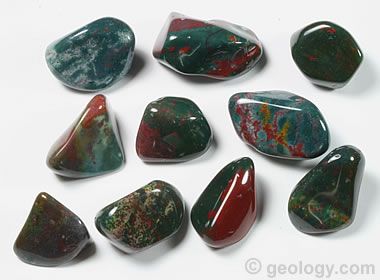
Bloodstone

Image result for raw bloodstone

Powers: Protection, Anti-Lightning, Luck, Dream Magick

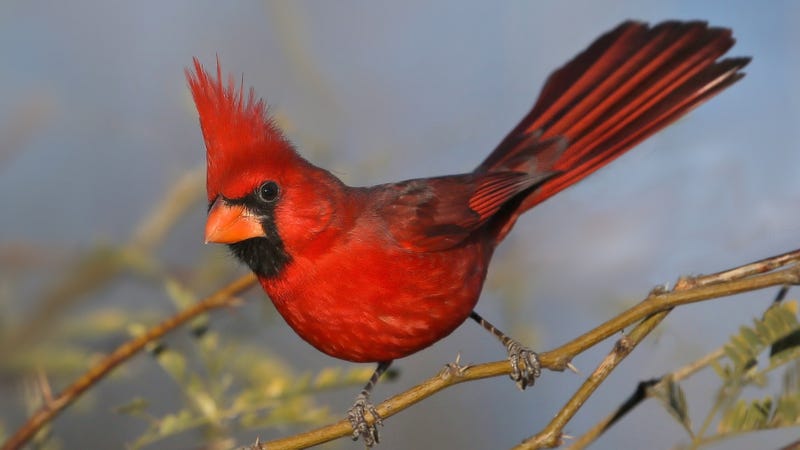
Birds: Cardinal

Image result for cardinal

Starling

Image result for starling

Color: Red

Deity: Lugh, Tannus, Thor

Sabbat: Lughnasa, Celtic festival of the Sun God Lugh, Lammas

Death of the God of the Waxing year (Oak King) and Birth of the God of the Waning year (Holly King)

Folk Names: Aquifolius, Bat’s Wings, Christ’s Thorn, Holy Tree, Holm Chaste, Hulm, Hulver Bush

Medicinal properties: The powdered leaves were brewed into a healing tea for measles, and the ashes from burning the leaves in a drink soothed whooping cough. Hot compresses made from the leaves and bark helped ease the pain of broken bones and dislocations. 

Magickal properties: A “par excellence” protective herb, it protects against lightning, poison, and evil spirits. When thrown at wild animals it makes them lie down quietly and leave you alone.  Sprinkle an infusion made with Holly on newborn babies to protect them. Holly is considered the male counterpart to the female Ivy. Even though Holly’s Yule festival greens are traditionally burned at Imbolg, a small sprig us kept for luck and to keep evil away throughout the year.

  • Holly reminds us of the need to calm our emotions, if we are to reach wise decisions about our situation. The often painful consequences of our actions are brought to the surface for examination, and calm acceptance of our responsibility is required. We are reminded of the need to view ourselves, as well as others, in the light of compassion and unconditional love. Like the Hanged Man of the Tarot, holly represents personal sacrifice in order to gain something of greater value.
  • Holly wood was used by the ancients in the construction of spear shafts, and as the spiny leaves show, it is well prepared for battle. A symbol of firmness and masculine energy, the holly endows those born under its sign with an equally well-prepared nature. You have a strong connection to the earth, amazing physical strength, and the ability to direct your energy in a balanced even flow. This stability gives you a generosity of spirit ad a very matter-of-fact solidness that others will respect, admire, and rely on. Before you engage in any battle, look inside for understanding and respect for your opponents.
  • Dreaming of Holly means you should be mindful of what is troubling you, and picking holly in your dreams means you will have a long life. 
  • After midnight, on a Friday, without making a sound, gather nine Holly leaves. Wrap these up in a white cloth using nine knots to tie the ends together. Place this beneath your pillow and your dreams will come true.
  • Holly berries were used to predict winter weather. If there were a profusion of berries, that meant it would be a hard winter, because the Goddess was providing extra berries for the birds.
  • Holly is one of the three timbers in the Chariot Wheel.
  • It represents personal sacrifice in order to gain something of greater value.
  • Use Holly berries with your favorite spell for female fertility and sexuality:
  • Red Holly Berries symbolize the life-giving blood of the Mother Goddess. Gather three berries (or a multiple of three) and carry them in your hand to a body of water. As you say your incantation, drop the berries into the water. Visualize a circle of light surrounding you as you go through your spell.

CAUTION: Holly Berries are purgative and often cause nausea and vomiting. They are poisonous to children. DO NOT CONSUME HOLLY BERRIES

Casting Circles

Casting

Before reading, please bare in mind that these are suggestions. Your spellwork and castings should be unique to you. However, please remember that the safety precautions and honoring of the deities (inviting them and thanking them for their presence, offerings for them if you wish) should not be ignored.

  1. Find a safe place to cast your circle. It can be indoors or outdoors, at midnight, noon, or early in the morning. There’s no perfect place to cast, so don’t feel any pressure to hike out to the middle of nowhere if that will make you psychologically uncomfortable. The best place is somewhere you’ll feel comforted and at ease, able to commune in the way you wish, and in the appropriate way for whatever ritual or ceremony you hope to perform. If that’s your bedroom, basement, or garage, so be it.
    • Make sure that the place is private and free for as long as you’ll need the ceremony. Being interrupted in the middle of a ritual is a frustrating and even dangerous experience.
  2. Purify the place where you will cast your circle. First, purify your location physically by tidying up the spot and making things orderly. If you’re outdoors, clear the area of branches, leaves and rocks. Next, cleanse the area spiritually. Meditating, use your hands (or a wand or broom if your practice involves these items) and push negative energy from the spot.
    • You could also try using a cleansing agent like witch hazel, sage, patchouli, or lavender to cleanse the area – a couple of drops in each corner of the room and round the perimeter of the circle should be sufficient.
  3. Physically determine the bounds of your circle, if you want. Do this by drawing a circle on the floor, sprinkle salt water in a circle, or by laying a cord in a circle (make sure you tie it). Anyhow, the circle is usually as wide as you are tall.
    • Alternatively, if you’re in the outdoors, consider using the elements of nature to create your circle. Create a circle of rocks or other natural elements if it seems appropriate to your ritual or practice.
  4. Place all the objects you will be using in your ritual inside the circle. Once you start practicing, you’re going to want to stay in the circle and not break the connection until your ritual is completed. If you start and you’ve forgotten a particular candle or totem that’s important to you, getting up and hitting “pause” isn’t an option. Gather everything you’ll need to begin your ritual and start preparing for your ritual.
    • If you’re going to offer something to a spirit, remember to include that and everything you’ll need to prepare it.
    • Other popular items to include in rituals include totems, black candles, crystals, knives, bells, bowls of salt and bowls of water. Organize them, whatever they are, to form an altar. Bring a surface to set them on, like a box or crate with a small black tablecloth. The altar should face north, as should you when you’re in the circle completing your ritual.
  5. Complete the circle. Place candles or other items at each cardinal direction. Do not light them yet. Some wiccans will choose something that represents Earth in the north, Air in the east, Fire in the south, and Water in the west. Follow whatever procedures are appropriate for the rituals you desire.
    • Salt, a stone, or a green candle could represent Earth. Incense, broken glass, or a yellow candle could stand in for Air. Water in any receptacle is a fine representation of water, or a blue candle for Water. A red candle or cigarette does nicely for Fire. If you have one, you could also use the Aces in your Tarot deck.

Using your Circle

  1. Bless the circle. How you choose to use your circle once its cast is largely up to you, your practice, and your goals. In general, though, you’ll want to start by blessing the space and clearing it of negative energy, beginning the invocation of spirits. Some covens are very formal and ritualized in their practice, while some less so. Do what feels natural.
    • Walk around the circle, lighting the candles, leaving a trail of salt around the boundary. In each cardinal direction, recite an invocation like: “Blessing upon the creatures and spirits of the North”
  2. State the purpose of the circle. Walk around the circle three times, saying: “Cast the circle thrice about, to keep the evil spirits out.
    • “I conjure thee, O Circle of Power, that thou best a meeting place of love and joy and truth; a shield against all wickedness and evil; a boundary between men and the realms of the Mighty Ones; a rampart and protection that shall preserve and contain the power that we shall raise within thee.
  3. Invoke the elements and spirits and deities you wish to work with. Call them to the objects that represent them. Take each of the objects that represent the elements around your circle, filling it with the power of each of them.
    • Meditate for a while now. Meditation or astral projection might be the main act, or it serves just to shift your consciousness.
  4. Complete your ritual. Remember: “And it harm none, do what ye will.” If you must leave the circle before you are done, cut a doorway. Envision a doorway being cut from the edge of the circle, up, to the side, then down again. Reclose the circle once you’re back in.
  5. Close the circle when you’re done: pay respect to whatever deities you invited, thank the elements before you remove their representative objects, and finally undo the casting by casting in reverse.

July’s Lesson plan

Merry Meet and Blessed Be. Here is a basic and tentative list on the lessons I plan to cover in July. Please contact me with any questions or suggestions 🙂

JULY Dates of Importance

  • 7: Celtic Tree Month of Oak ends
  • 8: Celtic Tree Month of Holly begins
  • 16: Full moon–Blessing Moon at 5:39 pm. This is a time to work on divination, dreamwork and meditation. Count your blessings this month, and think about what you can do to bring more of them into your life. 
  • 19: Rebecca Nurse is hanged in Salem, Massachusetts in 1692
    • We will do a special Halloween Lesson on the notable witch hunts of the past

Witch Affinities

I will provide a few examples of affinities. Not everyone has one. Some are jacks of all trades, But maybe these lists will assist in helping you find something that you can work your magic through on a daily basis.

Oils

We will be covering the basic properties and uses of common oils as well as a few mixtures for different usages

Herbs

We will cover the basic properties of common herbs as well as what spells they assist with and how to use them

Altars

Common tools for an altar: Remember, despite the advice given, your altar and it’s layout should be in a way that feels comfortable to YOU. Altars are unique to the individual and should be treated as such. Not all items are necessary and it is okay to combine items in a practical manner.

  • Candles
  • A candle is typically used (but not always) for each element to invoke and as for their presence
    • Green- Earth – North
    • Yellow or white – Air – East
    • Red – Fire – South
    • Blue – Water – West
    • White – Spirit
    • Gold – To represent the God
    • Silver – To represent the Goddess
  • The candles should align with their actual directions
  • The spirit candle should be in the center of your altar with the god and goddess candles on either side

  • Pentacle or Paten
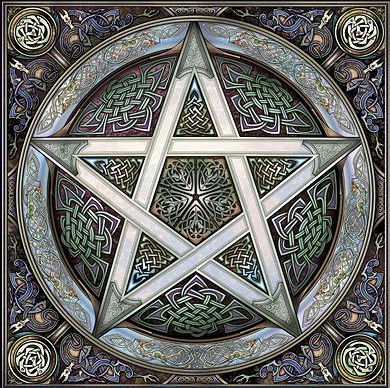
  • The Pentacle or Paten disc is an altar consecration tool with a sigil or magical symbol engraved or inscribed upon it. The most common symbol is a pentagram within a circle, specifically a pentacle, although some other symbols may be used such as the triquetra. The disc symbolizes the element earth. It is typically used to represent the element of Earth during evocation, as a symbol which blesses items, as well as magically energizing that which is placed upon it.
  • Sword and knife
  • A sword or a ritual knife, commonly known as an athame, is often used in Wiccan ritual. In Gardnerian Wicca these are associated with the element of fire and in Golden Dawn influenced traditions with air. This is only true, though, of the Dagger, which is painted with a yellow handle. The Sword itself is fire in that it is attributed to Geburah and is under the presidency of Mars. The Sword should not be confused with the Dagger in the Golden Dawn or Hermetic systems. The Dagger is Elemental in nature, the Sword is Planetary/Sephirotic in nature.
  • The athame is traditionally black-handled, usually inscribed (sometimes in the Theban alphabet). It is used to direct energy for the casting of magic circles, controlling of spirits and other ritual purposes. Gerald Gardner described it as “the true Witch’s weapon” in the Bricket Wood Book of Shadows,[12] something which he has been criticised for, by Frederic Lamond believing there should be no “weapons” in Wicca. In some traditions, it is never under any circumstances used to draw blood, becoming tainted and requiring destruction if it does.
  • The term “athame” in its modern spelling first appears in Wicca, but it originates from words found in two historical copies of the Key of Solomon. The version currently held in the Bibliothèque de l’Arsenal, Paris, uses the term “arthame” to describe a black-handled knife. This was adopted by C.J.S. Thompson in his 1927 book The Mysteries and Secrets of Magic and by Grillot de Givry, in his 1931 book Witchcraft, Magic and Alchemy. The historian Ronald Hutton theorised that Gardner got it either directly or indirectly from one of these sources, although with a modified spelling.[12]
  • Wand
  • In Gardnerian Wicca, the wand is symbolic for the element of Air, though in some traditions it instead symbolises Fire. It can be made from any material, including wood, metal and rock, and Wiccan wands are sometimes set with gemstones or crystals. Though in the Golden Dawn system, the Elemental Wand of Fire is not the same as other sticks (such as the Lotus Wand, Caduceus, or the staff of the Kerux). Some traditions appear to confuse and conflate the various wands and staves into a single symbol.
  • In his Book of Shadows, Gerald Gardner stated that the wand is “used to summon certain spirits with whom it would not be meet to use the athame”. Frederic Lamond states that this referred to elemental spirits, who were traditionally believed to be scared of iron and steel.
  • You can make the wand yourself or buy it as long as it is blessed. Even a stick that you find attachment with will be good.
  • Chalice
  • The chalice, or goblet, is symbolic for the element of Water. Many Wiccans do not consider it to be a tool, but instead to be a symbol of the Goddess, particularly her womb. The chalice bears many similarities with the Holy Grail, except for its symbolism used in witchcraft. Rather than being the blood of Christ, it is symbolic of the Goddess’ womb. The chalice is traditionally used to hold wine.
  • Boline
  • The boline is a white handled knife, sometimes with a curved blade, like that of a crescent moon. It is used for more practical uses than the athame, for instance for harvesting and cutting herbs, inscribing candles with symbols or sigils, or cutting ritual cords. Unlike the athame, the boline is used in the physical process of magical works (such as ritual cutting); the boline serves for the physical plane what the athame serves for work in the spiritual/astral planes.
  • Censer and incense
  • The censer is used to dispense incense.
  • Scourge
  • The scourge is used in Gardnerian Wicca to flagellate members of the coven, primarily in initiation rites. Frederic Lamond said that whilst Gardner never told his Bricket Wood coven which element this was associated with, he believed that as an “instrument for exercising power over others” then it should be Fire.The scourge stands in contrast to “the Kiss” in Gardnerian and other forms of Wicca. These being representatives of the “gifts of the Goddess,” the scourge standing for sacrifice and suffering one is willing to endure to learn, the kiss being the blessings of abundance in all life’s aspects.
  • Cingulum
  • In the various forms of British Traditional Wicca, cords, known as cingulum, or singulum (which literally translates as “girdle” or “belt”), are worn about the waist by adherents. These are often given to a Wiccan upon their initiation, and worn at each subsequent ritual. Traditionally they are nine feet in length (nine being three times three, the magical number), and are used to measure the circumference of the magic circle so that it can be set up correctly.
  • In many traditions of Wicca, the colour of a person’s cingulum indicates what rank of initiation they are; in several Australian covens for instance, green denotes a novice, white denotes an initiate of the first degree, blue for the second, and a plaited red, white and blue for the third, with the High Priest wearing a gold cingulum (symbolising the sun), and the High Priestess wearing silver (symbolising the moon).
  • Wiccan High Priest Raymond Buckland has said that the cingulum should not be worn, but kept especially for spellcraft.
  • Besom
  • The besom, or broom, is often associated with witches and witchcraft. The stories of witches flying on brooms originated from the besom. In Wicca, it is used in handfasting ceremonies, when a couple jumps over it. It is also used in seasonal fertility dances as a representation of a phallus.
  • Cauldron
  • A cauldron is often associated with Witches and Witchcraft in western culture. In Wicca, it is sometimes used to represent the womb of the Goddess, like the chalice. It is often used for making brews (such as oils), incense-burning, and can be used to hold large, wide pillar candles, depending on how small it is. A fire is often lit within and the flames are leaped over as a simple fertility rite or at the end of a handfasting. If filled with water, a cauldron can be used for scrying. It plays a large role in Celtic magick, taking after Cerridwen’s cauldron. Cerridwen was a Celtic goddess who possessed a cauldron that had a brew that took a year and a day to construct.
  • Jewelry
    • A selection of jewelry used in Wiccan ritual. Most depict the pentagram.
    • In various traditions of Wicca, jewelry depicting pentacles and other relevant symbols are sometimes worn, both in ritual, and as an everyday piece of jewelry.
    • Doreen Valiente, the Gardnerian High Priestess, claimed that when she was initiated into the craft by Gerald Gardner, she was naked, but accidentally left her necklace on, only to be told that it was traditional for witches to wear such things.
    • In traditional forms of Wicca a necklace is worn by all women within a circle, representing the Circle of Rebirth.
  • Spear
  • In the tradition of Seax-Wica, the spear is used as a ritual tool as it is symbolic of the god Woden, who, in that tradition, is viewed as an emanation of God in place of the Horned God. According to Norse mythology, the god Odin, who is the Norse equivalent to the Anglo-Saxon Woden, carried the spear Gungnir.
  • Stang
  • The stang is usually a pronged wooden staff,topped either with a naturally occurring fork or with antlers affixed.The stang was among the ritual items used by Robert Cochrane, while the term itself was likely popularized by his influence.The Stang itself can act as a mobile altar for witches and can be used for representing the Horned God, directing energy, or helping with spirit journeying.

Usage

In Wicca, ritual tools are used during rituals which both honour the deities and work magic. The general idea is that the tool directs psychic energies to perform a certain action.

In modern-day Wicca, there is an encouragement of solitary practice of rituals and study. Covens are still a part of Wicca and related doctrines but there is now insistence that solitary practice is permissible. This has filtered down to lightweight (in the sense of being heavily illustrated, not exactly scholarly and not entirely serious) books being available in the bookstores of any modern town which are marketed as manuals of how to become a Wiccan (or Pagan). The allowance of solitary practice is clearly an important factor in terms of the growth of adherents, as the requirement to join a coven would involve transaction costs of locating fellow members and/or being initiated.

In Gardnerian Wicca, as laid down by Gerald Gardner, someone who had been initiated in the 1st degree had to create (or, alternately purchase and then engrave) their own ritual tools. One of the requirements for being initiated for the 2nd degree is that the Wiccan had to name all of the ritual tools and explain what their purpose and associations were.

Consecrating tools

Before tools are used in ritual, they first are consecrated. In the Gardnerian Book of Shadows, there is a section based entirely on consecrating ritual items. In this, it states that items must be consecrated within a magic circle, at whose centre lies a paten. Each item that is to be consecrated is in turn placed upon the paten, sprinkled with salt and water, and then passed through some incense. This is followed by the declaration,

“Aradia and Cernunnos, deign to bless and to consecrate this [tool], that it may obtain necessary virtue through thee for all acts of love and beauty. Aradia and Cernunnos, bless this instrument prepared in thine honour.”

June 21st- Lithia or the Summer Solstice

Image result for litha summer solstice

Traditions and Symbols of Midsummer

The Bonfire

Traditionally people stayed up all night on Midsummer’s Eve to welcome and watch the sunrise. Bonfires were lit on tops of hills, by holy wells, at places held sacred, to honor the fullness of the Sun. At Litha the bonfire really represents a reflection of the Sun at the peak of its strength. The chosen wood would often be Oak and aromatic herbs were scattered into the fire. People danced around the fires and leap through them. Blazing herbs from the sacred bonfire were used to bless the animals. Blazing torches were carried sunwise around homes and fields. Coals from the Midsummer fire were scattered on fields to ensure a good harvest.

The Oak

Tree worship has always played a large role in Midsummer festivities and trees near wells and fountains were decorated with coloured cloths. The Oak King who has ruled the waxing of the year represents strength, courage and endurance, and the Oak has always been particularly significant at Litha. The Celtic name for Oak is ‘Duir’ which means ‘doorway’ – we are crossing the threshold, entering the doorway into the second, waning part of the year.

Mistletoe

Mistletoe was and is, highly revered by the Druids. It is regarded as particularly potent when it grows on Oak, the noblest of trees, growing between the worlds of Heaven and Earth. Although it is more commonly associated with Yule and the Winter Solstice, it was often gathered ceremonially at Midsummer when it is regarded as being at the height of its power.

Herbs

All herbs are reaching their peak at this time of year and thus the fullness of their healing and nurturing potency. Giving a bunch of herbs as a gift on Midsummer Day is wonderful.

Flowers

All of the flower kingdom is reaching its peak, wide open, full of colour, surrendering their perfume.

Honey

Our lovely bees are now making honey. Midsummer full moon is known as the ‘Honey Moon’ for the mead made from honey now available. This is often part of handfastings performed at the Summer Solstice. Mead is regarded as the divine solar drink, with magical and life-restoring properties. Drink to celebrate and toast the life-giving abundance of the Sun.

Colours of Midsummer.

Well, take your pick! The natural world is full of colour at this time. Choose blue for the sky, green for the grass, yellow for the Sun. Or red, orange and purple to honour all the blooming flowers. Or choose the colours of the four elements – red, blue, green and yellow. We’ve been discussing this one amongst ourselves and generally agree that what matters is that you choose and work with the colours that speak to you at each Festival – what matters a little more is that you then work with those colours consistently every year.

Ideas for Your Altar

Oak leaves, oak leaves and more oak leaves. All the abundance of all the herbs, flowers and grasses that are so very available at this time. Candles in Sun colours. This is a shrine to honour the Sun – Sunflowers!

Things to Do

Buttermilk Bread Charm

This is a Midsummer Charm to help bring abundance to your kitchen. The sunflower seeds represent the light half of the year and the poppy seeds represent the dark half of the year.

You will need:

3 mugs of strong white flour

500 ml of Buttermilk (available from the supermarket)

I teaspoonful of bicarbonate of soda

Sunflower and poppy seeds for sprinkling

Red ribbon

A sprig of rosemary

Place the flour in a large bowl. Make a well in the centre. Sieve in the blended salt and soda and pour in the buttermilk. Mix well with a wooden spoon until the dough feels springy. If it feels too sloppy just add a little more flour. Turn it onto a board and cover with a fine dusting of flour. Pat it with your hands until you have a round shape. Take a sharp knife and score lightly into eight sections, one for each festival. Sprinkle half of the loaf with poppy seeds and the other half with sunflower seeds.

Place onto a greased baking tray and pop your buttermilk bread into a moderate oven for about 20-25 minutes. Keep and eye on it. When the bread is ready it will change colour and it will sound hollow when you tap the bottom. Cool completely on a wire rack. When it is cool, place your sprig of rosemary on top and tie the red ribbon across the middle.

Take time to concentrate on the bread you have created and turn the loaf three times saying “From the fields and through the stones, into fire, Midsummer Bread, as the Wheel turns may all be fed. Goddess Bless.”

Now take your bread and share it with your family and friends and pass on the generous blessings of this bright and bountiful festival. Eat it fresh, as soon as it is made if you can. Nettle soup goes well with this bread.

Elderflower Champagne

A traditional favourite, Elderflowers peak at Midsummer. Pick them in the fullness of a sunny day, ideally on Midsummer’s Day. The Elder is sacred to the Mother Goddess and is often called the Witch’s Tree, the Elder Mother, or Queen of the Trees. It is protective with wonderful healing properties. It aids transformation, change and renewal, and we are at a major turning point in the Wheel of the Year, so the gift of Elderflowers is welcome.

Ingredients:

8 litres water

1.25 kg sugar

8 large elderflower heads

4 lemons

4 tablespoons mild white wine vinegar

Do use screw top bottles – large plastic bottles used for squash etc are perfect. This stuff will fizz and if not bottled tightly it can explode! I keep mine in the garden so should the worst occur it isn’t going to make a mess all over the kitchen or larder… Before you begin make sure the elderflowers are clean – no little wandering insects or bugs.

Boil the water and dissolve the sugar into it (Fairtrade is good)

When the water is cool, add the elderflowers, juice of two of the lemons and slices of the other two, plus the vinegar.

Cover with a clean cloth and leave for a day.

Strain through a fine sieve or piece of muslin, carefully squeezing the flowers to extract as much flavour as possible.

Store in clean screw top bottles.

Leave well alone for 10 days or so. Drink within a month. Enjoy and give thanks to the Spirit of Elder.

Honey Cake.

Bees are so special, and make that golden nectar we know as honey – a reflection of the life-giving Sun. Honey itself is full of life-giving properties, and a Honey Cake is a perfect way to celebrate Midsummer, or to give as a gift. Make it with locally produced honey if you can. But wherever the honey has come from, think of the land and blossoms and bees that made it.

Ingredients:

225 gms Butter

250 gms Honey

100 gms Dark Muscovado Sugar

3 Eggs, beaten

300 gms Self-Raising Flour

Cut the butter into pieces and heat slowly, adding the honey and sugar. When fully melted, turn up the heart and boil the mixture for one minute. Remove from the heat and allow to cool.

Add the beaten eggs to the cooled honey mixture. Sift the flour into a large bowl and beat the liquid honey mixture into it until you have a smooth batter.

Pour the mixture into a round lined sponge tin and bake in a preheated oven at 160C for about 50 mins – or until the cake is well-risen and springs back to the touch.

Cool on a rack and glaze with a few tablespoons of warm honey.

Moon Bowl Charm

A full moon charm to enhance your natural radiance to celebrate the beauty of Midsummer.

You will need: A glass or china bowl, a glass or china jug and a small white candle. Remember the candle needs to burn away completely so choose a small one.

Draw your water into the jug – rainwater is best, but fresh water from the tap is fine. Take the jug of water, the bowl and the small white candle outside and place them on the ground. Light the candle in a suitable holder and place it at the top of the bowl – at the midnight/noon point of a clock face. Pour the water into the centre of the bowl and say:

“Renewing water shining bright

Weave your charm in my bowl of Light”

Place your Moon Bowl in the moonlight so the light of the full moon is reflected in the water and leave the candle to burn down.

When this is complete take your bowl and dip your hands into the water and as you gently splash the moon water onto your face say

“By Full Moon charm,

By Full Moon light,

May inner beauty shine through tonight.

Brightest Blessings of the Goddess shine through me.”

When you have finished, return the water to the Earth.

June 17th Full Moon

  • Strong Sun Moon, AKA Lover’s Moon, Honey Moon, Strawberry Moon
  • Native Americans associate this moon with the woodpecker
  • Colors: Gold, Yellow, Orange
    • Try to incorporate into decorations and alter
  • Stones: Topaz and Agate
  • Trees: Oak and Maple
  • Gods: Isis, Cerridwen, Juno, Persephone
  • Herbs: Parsely, moss, Skullcap, Mugwort
  • Element: Earth

  • Weed your garden, prune the bushes, give your lawn all the tender loving care it needs. If you’re growing fruit or vegetables, begin harvesting those that are ready to be gathered. Early herb and flower blossoms can be collected as well, and hung up to dry for later use.
    • Herbs that respond well to heat and full sun are the best choice for early summer planting. Basil, cilantro and oregano all fall into this category. Calendula and nasturtiums can be grown from seeds, but rosemary, sage, thyme and summer savory do better if they are transplanted as seedlings or full plants.
  • Take time to let your personal life blossom as well—focus on things that improve your job or education, as well as your relationships with family and friends. It’s okay to do nice things for yourself! Go on a short vacation, cut off the cell phone and your email for a few days, and spend time with family—or with yourself!
  • Another name for the Strong Sun Moon is the Honey Moon, and during the late summer and early fall, honey is a staple crop in many parts of the world. Honey has a number of magical properties, so why not find a way to tie it into your spellwork this month?
    • There is an extensive history of honey that I would be more than happy to do another post on if anyone would like to see it!
  • Thyme Honey: the Honey of Courage
    • it is considered to give courage and build self-confidence. Eating Honey from Thyme help us cleanse ourselves from jinxes and strengthens our aura against malevolent attacks. Thyme Honey is also believed to be adored by Fairies.
  • Lavender Honey: the Honey of Magic
    • This type of Honey is believed to be extra potent when used in Magic and spells. It is considered a powerful instrument of the Witches and it is also believed to grant Magical Powers to the one who ingests it regularly.
  • Acacia Honey: the honey of Vital Energy
    • It”s one of the most favorite types of Honey worldwide. Acacia”s powers are passing into this Honey and allegedly helps banish insomnia and nightmares as it stops all evil influences. Ingesting Acacia’s honey is believed to restore your Vital Energy which was drained by the Evil Eye or Malevolent attacks.
  • Manuka Honey: the honey of Healing
    • It is produced in New Zealand by bees that pollinate the Manuka bush and is considered one of the most unique and beneficial forms of honey in the world. Manuka Honey is used in healing spells of the Maori tribe. You can try dedicate some Manuka honey to the spirits and angels of Healing.
  • Pine Honey: the honey of Protection
    • Pine Honey is a very popular honey all over the World. Pine honey should be used by anyone who feels his or her energy at low levels. Pine’s magic is intense and used for rejuvenation. Moreover Pine will help you not only recharge your “batteries” but also protect you from anyone who wants to vampirize on your powers. Pine Honey should be used when we feel we are under demonic or other psychic attack.
  • Flower Honey: the honey of Happiness
    • Flower honey is honey produced by bees that pollinate the wild fields. In facts it uses any flower available thus Flower Honey is drenched with the power of Spring. Flower honey is perfect when Spring is what need to “happen” in your life. Flower honey helps us get in touch with beauty, love and the child in us! Use Flower Honey in spells for Love, Friendship and Happiness.
  • Eucalyptus Honey: the honey of Uncrossing
    • Eucalyptus honey is not that common. However, if found it would be an excellent tool for Healing and Uncrossing spells. It is more powerful than Thyme honey in uncrossing rituals & Pine honey in healing rituals. However, use Pine honey when you are under attack and Thyme honey for general protection. In healing spells start with Pine Honey (if your “energy” hits critical levels) and continue with Eucalyptus as it”s milder but more effective in long-term use.
  • Rosemary Honey: the honey of Love and Beauty
    • Rosemary Honey is extra potent when dealing with Beauty and Love spells. Rosemary honey can also be used in healing spells but mostly to heal our inner selves. What causes all this trouble in my life? Rituals employing prophetic dreams and self-healing could be more effective with use of Rosemary Honey.
  • There are many ways to use honey in Magic. There are going to follow several spells using honey. For starters you can use honey to attract what you wish. Angels may be summoned by offering them Honey. Do you want to ask from an Angel to bless you with magical powers? Offer them Lavender Honey. Do you need them to aid you for protection and banishing? Offer them Thyme Honey. Do you need to feel happy and blessed again? Offer them Flower Honey.
  • Magical Properties
  • – Honey can be symbolically used to stick things together. It can be used in binding spells, adding stability to relationships, and put on poppets. It’s good for binding spells because it can be undone fairly easily too.
  • – It’s used similarly to sugar; to sweeten a person or situation to work in your favor.
  • – Honey is an excellent offering to gods and spirits.
  • – A dab of it can be used in attraction, love, lust, and sex magic.
  • Medicinal Properties
  • – Honey is great for cold and flu treatment. Raw and organic honey is preferable as it is an antibacterial and is high in antioxidants.
  • – It can be used in an ointment for treating wounds, burns and cold sores.
  • – Honey will help in muscle building; a teaspoon of raw organic honey after a workout can induce an insulin spike, allowing your muscles to get the most out of the workout.
  • – It can be used as a weight loss aid. Honey can cause changes to the metabolism that will help curb sugar cravings.
  • – Honey is also an excellent hangover remedy.
  • Focus on the power of the sun to help with spells and rituals related to strengthening yourself mentally and spiritually. You’ve got more hours of daylight now than any other time of the year, so tap into it! Spend as much time outdoors as possible – it’s not only good for your emotional well being, it also can help you feel better physically!
  • Use sun energy to charge your tools by leaving them out on a bright warm day to absorb the sun’s rays. You can also consecrate water for rituals by placing a jar of it out in the sunlight—use this for workings related to strength and power, as well as personal growth.
  • If you’ve been dealing with issues in your personal life that are rooted in indecision or uncertainty, this is a good time to fix them. Take a long hard look at your possible choices, and make one. Ask for advice from others if you need to, but in the long, it’s okay to trust your intuition.
  • Remember this is also called the Lovers’ Moon—and no wonder, since so many people get married in June! Allow yourself to welcome love into your life—and if you’ve already got it, then let yourself appreciate it even more! Do things that make you feel sensual and sexy, affectionate and abundant, and in addition to loving other people, and allowing them to love you in return, know that you’re allowed to love yourself as well.

June 10th-Celtic Tree Month of Oak

What is a celtic tree month?

Celtic tree astrology is based on the ancient idea that the time of our births is pivotal to the formation of our personality and behavior.

The spiritually savvy Celts, particularly the druids were expert observers. Over time, they recognized that a child born within a certain season would develop certain qualities.

Further, the druids observed patterns in the color and shape of a person’s life according to the motions of the moon (their calendar being based on a lunar year) and the season in which we are born.

The system of Celtic tree astrology was developed out of a natural connection with the druid’s knowledge of earth cycles and their reverence for the sacred knowledge held by trees. As mentioned on my Celtic Meaning of Trees Page, the druids had a profound connection with trees and believed they were vessels of infinite wisdom.

Carrying this concept a step forward, we can associate the likeness and personality of trees to our own human nature. By doing so, we gather inspired insight and clarity into who we are.

There are 13 Celtic Zodiac signs; AKA: the celtic tree months. June 10th is the entrance into the month of the Oak:

Oak – The Stabilizer

June 10 – July 7

Those born under the Celtic tree astrology sign of the Oak have a special gift of strength. They are protective people and often become a champion for those who do not have a voice. In other words, the Oak is the crusader and the spokesperson for the underdog. Nurturing, generous and helpful, you are a gentle giant among the Celtic zodiac signs. You exude an easy confidence and naturally assume everything will work out to a positive outcome. You have a deep respect for history and ancestry, and many people with this sign become teachers. You love to impart your knowledge of the past to others. Oak signs have a need for structure, and will often go to great lengths to gain the feeling of control in their lives. Healthy Oak signs live long, full, happy lives and enjoy large family settings and are likely to be involved with large social/community networks. Oak signs pair off well with the Ash and Reed, and are known to harmoniously join with Ivy signs too.

Duir is the month of the Oak. The Oak is a mighty tree that towers over the other trees and is sacred to the Druids. Cast spells involving good luck and money.

Planet: Jupiter and Mars

Element: Water

Symbolism: Sovereignty, rulership, power

Strength & Endurance, Generosity & Protection, Justice & Nobility, Honesty & Bravery

Stone: Diamond, Aventuring

Metal: Gold

Birds: Oriole, Wren

Color: Gold

Deity: The Dagda, The Green Man, Janus, Diana, Cybele, Hecate, Pan

Sabbat: Summer Solstice (Litha)

Folk Names: Jove’s Nuts, Juglans

Medicinal properties: The medicinal park of the Oak is its bark, because of the strong astringent properties. Internally as a tea it helps fight diarrhea and dysentery. Externally it can be used to treat hemorrhoids, inflamed gums, wounds, and eczema. The tannin found in oak can help reduce minor blistering by boiling a piece of the bark in a small amount of water until a strong solution is reached, and applying to the affected area.  To cure frostbite, American folk medicine called for collecting oak leaves that had remained on the tree all through the winter. These leaves were boiled to obtain a solution in which the frostbitten extremities would soak for an hour each day for a week.

Magickal properties: Dreaming of resting under an oak tree means you will have a long life and wealth. Climbing the tree in your dream means a relative will have a hard time of it in the near future. Dreaming of a fallen oak means the loss of love. If you catch a falling oak leaf you shall have no colds all winter. If someone does get sick, warm the house with an oakwood fire to shoo away the illness. Carry an acorn against illnesses and pains, for immortality and youthfulness, and to increase fertility and sexual potency.

Carrying any piece of the oak draws good luck to you (remember to ask permission and show gratitude.)

King Arthur’s round table was made from a single cross section of a large Oak.

Money spells and good luck spells are especially potent during the month of oak

This is a beginner luck spell that is very safe to perform. Don’t worry about negative consequences with this one.

Materials and Supplies

  • a black spell candle
  • frankincense oil
  • Carrier oil

Spell casting

  • Anoint your candle with the frankincense oil 3 times while chanting:
  • Black candle turn my luck around bring prosperity and joy abound
  • Thank the candle and light it
  • Place your hand on your heart chakra and chant:

flame and fire candle burn, work to make my luck return

  • Visualize the joy and excitement of the new possibilities that lay before you
  • Continue this visualization and chanting until you feel filled up with the energy
  • Blow out the candle

Chakras

The Origins of Chakras

Some believe chakras to be religious symbols. But the truth is, they don’t belong to any particular religion. That said, chakras are featured in both Hinduism and Tantric Buddhism.

The Root Chakra

Traditional Name:  Muladhara (Root/Support)

Color: Red

Element: Earth

Stone: Hematite, Black Onyx and Smokey Quartz

Essential Oils: Myrrh, Patchouli, Vertiver

Location: Base of Spine/Tailbone

What it is: It’s sturdy, stabilizing, and supportive, keeping everything safely connected as long as it’s functioning properly. It’s associated with the base of the spine, the pelvic floor, and the first three vertebrae, and responsible for an individual’s sense of security and survival. It’s also connected to whatever you use to ground yourself, including basic needs such as food, water, shelter, and safety, as well as your more emotional needs such as letting go of fear and feeling safe.

When it is open: You are grounded. You feel at home in most situations. You feel stable and secure. You feel present in the here and now and feel like you are at home within your body.

When it is under active: You are fearful, nervous and often feel unwelcome

When it is over active: You may be materialistic and greedy, resistant to change and always needing to feel secure

When it is blocked: You may have anxiety disorders, fears, or nightmares. Physically, the first chakra is associated with problems in the colon, with the bladder, with elimination, or with lower back, leg, or feet issues.

Ways to open it: In practical terms, it’s important to take care of your survival needs first. And this chakra gives you the energy to do that, so utilize that energy to the best of your ability. Calm this chakra by focusing on your connection to spirit. Take time each day to nurture your soul by praying, meditating or connecting to spirit guides. Volunteering and acts of kindness and compassion can guide overactive energy away from your root chakra into other energy centers in your body.

If you find yourself disconnected from material existence, your 1st chakra may need to be revved up. You can do this by reconnecting to the earth by being out in nature. Gardening, swimming or even playing in the leaves can energize your root chakra.

Sacral Chakra

Traditional Name:Svadhishana (the place of self)

Color: Orange

Element: Water

Stone: Tigers’ Eye and Sunstone

Essential Oils: Wild Orange, Clary Sage, Cardamom

What it is: Located above the pubic bone and below the navel, it’s responsible for our sexual and creative energies. You’re friendly, passionate, and successfully fulfilled while also eliciting feelings of wellness, abundance, pleasure, and joy. By honoring your body and expressing yourself creatively, you’re keeping the energy wheels turning and fluid.

Location: Lower abdomen, 2 inches below the navel

When it is open: You are able to freely express your feelings without getting over-emotional. You are open to intimacy, passionate, lively and effortlessly deal with your sexuality

When it is under active: You are not open to people. You tend to be stiff and have a poker-face

When it is over active: Overly emotional; tend to get attached to people easily and are very sexual

When it is blocked: When you’re feeling uninspired creatively or have some emotional instability, your sacral chakra may be misaligned. Likewise, this can also be associated with physical sexual dysfunction, while also potentially experiencing fear of change, depression, or addiction-like behaviors.

Ways to open it:To balance your 2nd chakra, it’s helpful to draw energy away from the pleasure and into your heart. You can do this by asking yourself a simple question before each action you take. Ask yourself, “Is what I am about to do good for me? Is it healthy and nourishing? What are the benefits of the action I’m about to take? ” Taking time to assess whether your actions are healthy is a great way to draw energy away from this chakra.

Energizing your 2nd chakra is fun. In simple terms – enjoy life! Create a piece of art. Eat a healthy and enjoyable snack. Make love to your partner. Take time for yourself and enjoy the incredible gifts the Earth has to offer you.

Solar Plexus/Navel Chakra

Traditional Name: Manipura (lustrous gem)

Color: Yellow

Element:  Fire

Stone:  Jasper and Pyrite

Essential Oils: Juniper, Grapefruit, Peppermint

Location: Upper abdomen/Stomach area

WHat it is: It is your source of individual power, ruling over self-esteem. It is the action and balance chakra that focuses on individual willpower, personal power, and commitment. Located from the navel to about the ribcage, it reportedly governs all things metabolic, digestive, and stomach-related.

When it is open:You feel in control and have good self-esteem

When it is under active: You’re passive, indecisive and timid

When it is over active: You may be domineering and possibly aggressive

When it is blocked:  You can suffer from low self-esteem, have difficulty making decisions, and may have anger or control issues. It may also may lead you to outwardly express apathy, procrastination, or that you’re able to be taken advantage of easily. Likewise, you’ll also possibly have a tummy ache of some kind such as digestive issues or gas.

Ways to open it: To balance your 3rd chakra, practice opening up your heart with love and compassion. Meditate on sending love and kindness from your heart to all those around you. Refocus the power you have and see yourself as a beacon of love.

To energize your Solar Plexus, think of the things that you know you’re good at. After all, everyone has talents and abilities. Make a list of yours. Feel how the confidence in those talents makes your stomach tingle and vibrate. Empower that feeling by creating your own personal affirmations.

Heart Chakra

Traditional Name:Anahata (Unhurt)

Color: Green and Rose Quartz pink

Element: Air

Stone: Rose Quartz and Aventurine

Essential Oils: Geranium, Bergamot, Ylang Ylang

Location: Center of chest, just above the heart

What it is: Represents where the physical and the spiritual meet. Physically, it’s said to encapsulate the heart, the thymus gland (which plays a vital role in your endocrine and lymphatic system), the lungs, and the breasts. It’s believed that when your heart chakra is aligned and balanced, love and compassion are flowing freely—both in terms of giving it out and getting it back.

When it is open: You are compassionate, friendly and work towards harmonious relationships

When it is under active: You may be cold and distant

When it is over active: Your love may be born of selfish reasons and may be suffocating to others

When it is blocked: A closed heart chakra can give way to grief, anger, jealousy, fear of betrayal, and hatred toward yourself and others—especially in the form of holding a grudge against something or someone. Holding onto hurt harbors negative feelings and cuts you off from opportunities to love

Ways to open it: Balancing your 4th chakra means taking that love you’ve given to others and focusing some of it back on yourself. And you can do this by doing one thing every day that’s just for you:

  • Take a relaxing bath
  • Treat yourself to a massage
  • Meditate on sending compassion to yourself

Energizing your heart chakra may take a lot of work. Many of us have worked hard to build up our walls and defenses, and it isn’t always easy to knock them down. But it begins with loving yourself. Show appreciation for yourself, and give yourself the love that you want others to give to you. Then, spread that compassion to those around you.

Throat Chakra

Traditional Name: Vishuddha (Very pure)

Color: Blue

Element: Sound

Stone: Aquamarine and Sodalite

Essential Oils: Lavender, Peppermint, Spearmint

Location: Throat

What it is: The throat chakra rules all communication, and is the first of the three solely spiritual chakras (as opposed to the lower ones, which manifest themselves in a more physical way). Anatomically, the throat chakra is associated with the thyroid, parathyroid, jaw, neck, mouth, tongue, and larynx. When this chakra is in check, you’re able to fully listen as well as speak and express yourself clearly.

When it is open: You can easily express yourself whether it is verbally or artistically

When it is under active: You rarely speak, you are introverted and shy An underactive throat chakra may be due to not speaking the truth

When it is over active: You may speak too much, domineer and keep people at a distance. You are a bad listener id you have an underactive throat chakra.

When it is blocked: In addition to having trouble speaking your truth, you find it hard to pay attention and stay focused, or fear judgment from others—which can further hinder your ability to keep it real. Physically, this blockage can manifest itself as a sore throat, thyroid issues, neck and shoulder stiffness, or tension headaches.

Ways to open it: Balancing your 5th chakra is as easy as thinking before you speak.

Take it from the Buddha, before you say anything, ask yourself: “Is it true? Is it necessary? Is it kind?”

Speak your truth! Even if no one is around to hear you, practice expressing your emotions and truths when you’re alone. It’s very common to think that we should only speak when someone else is around to hear it, but if you’re trying to energize your third chakra, it doesn’t matter if it’s received by any other ear than your own.

Third Eye Chakra

Traditional Name: Anja (Beyond wisdom)

Color: Indigo

Element: Light

Stone: Amethyst, Fluorite and Lolite

Essential Oils: Frankincense, Sandalwood, Patchouli

Location: Forehead, between the eyes

What it is: Organs including the pituitary gland, eyes, head, and lower part of the brain are said to be ruled by the third eye. And it reportedly governs your intuition—plus the ability to recognize and tap into it.  What’s more, the third eye is also said to be responsible for all things between you and the outside world, serving as a bridge between the two, allowing you to cut through any illusions and drama to see the clear picture.

When it is open: You have good intuition and a tendency to fantasize

When it is under active: You are not good at thinking for yourself, you may be rigid in your beliefs and ways of thinking, you may get confused easily and rely heavily on authoritative figures

When it is over active: You may live too often in a fantasy world. In extreme cases, hallucinations are possible.

When it is blocked: You may have trouble accessing your intuition, trusting your inner voice, recalling important facts, or learning new skills. And if your lower chakras—AKA the root, sacral, solar plexus, and heart chakras—and are unbalanced, your third eye will likely be as well, which may cause you to act more judgmental, dismissive, and introverted. A third-eye blockage is associated with a broad range of issues, including depression, anxiety, and a more judgmental attitude—while physically, it’s said to cause headaches, dizziness, and a slew of other brain-health issues.

Ways to open it: If you find yourself consumed with psychic information, take some time to remind yourself that you are a creature of the Earth.

Go to the beach and feel the sand on your toes. Dig you’re in the dirt in your garden. Connect your body to Earth and repeat: “I am a human being. I am a human doing.”

Energizing your third eye will take some practice. You’ll need to devote some time to quiet, solitary meditation. At first, get used to the feeling of focusing on signals outside of your physical body. Listen to your spirit and recognize how that feels. As you practice this, you’ll find it easier and easier to connect with the energy from your Third Eye.

Crown Chakra

Traditional Name: Sahaswara (Thousand Petal lotus)

Color: Violet and white

Element:

Stone: Clear quartz, Amethyst and Moonstone

Essential Oils: Lemon, Rose, Cedar Wood

Location: Top of the head

What it is: It is the center of enlightenment and our spiritual connection to our higher selves, others, and ultimately, the divine. When aligned, the realizations that occur within you are said to be along the lines of pure awareness, consciousness, undivided, and all expansive. Basically, bigger than yourself and yet part of one giant universe.

When it is open:You are unprejudiced and aware of yourself and the world

When it is under active:You may be rigid in your thinking and unsure in your spirituality

When it is over active: You may addicted to spirituality and deny your bodily needs. You also may intellectualize things too much

When it is blocked: A crown-chakra blockage may create feelings of isolation or emotional distress—basically feeling disconnected from everyone and everything. Or, you might feel like your normal self—just not in an exalted state of spiritual connection and enlightenment, which is totally okay and seriously normal. Unlike the other chakras, the crown chakra is often only opened up fully through specific yogic or meditative exercises, or at certain times—which is not a skill set you can call upon at any given moment. You may be able to get a taste of it, though, through daily practices—anything from meditation, prayer, to moments of silence and gratitude—to have those moments of spiritual connection.

Ways to open it: Instead of attempting to open up and active your crown chakra, focus on balancing the other 6 chakras. Meditate and connect with spirit and balance those activities with living and enjoying your human experience. Think of it like trying to win an Olympic gold medal. You don’t just try to win the medal, you train your body and mind first. The only way to achieve such a huge goal is to focus on small, attainable goals first.

Opening your Chakras

1. Meditation

Meditation is perhaps the most powerful tool for opening the chakras. Chakra meditation is calming and can improve the overall quality of your life.

Here is a guide for chakra meditation that you can help you navigate your journey.

2. Using mudras and mantras

Mudras are specific hand positions that help open the chakras. These are a perfect addition to meditation, so be sure to try them out.

Mantras are sound, word, or phrase that you can chant during meditation.

Each chakra has its own set of mudras and mantras, so don’t be afraid to experiment with them and see how you feel.

3. Chakra stones

Crystals are a powerful tool for opening chakras.

When we interact with them, our energy and the energy of crystals combine and so they affect our mental and physical health.

By using these crystals, we can promote energetic movement and open our chakras.

As Always, please leave comments, concerns and anything you would like more information on in the comments to be covered in another post.