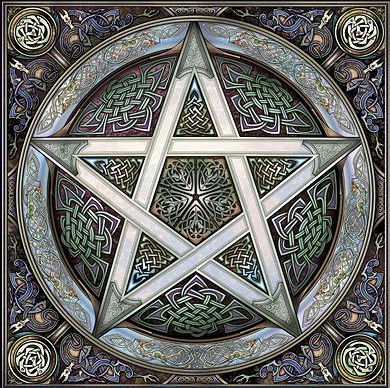

Yule comes from the old Norse jól and Old English géohol which was a season of hunting after the harvest was done. This fell in what we now call December so it eventually became associated with the Christmas Holiday. The first recorded use of the noun Yuletide, according to Wikipedia, was in 1475. The Yuletide season lasted from the end of November to the beginning weeks of January but the feast of Yule lasted three days over the Winter Solstice and marked the beginning of the new year.
Yule was similar to Passover in Jerusalem before the Temple was destroyed. For Passover, the Jewish people would bring lambs, birds, and other animals for sacrifice. The blood would be offered on the altar and the meat cooked for the Passover meal. According to Norse historian and saga translator Lee M. Hollander every nine years Germanic (Norse) farmers were compelled to come to the temple hof and make sacrifices and feasts over a prescribed period of time during yuletide. Yule was celebrated in Germanic countries with animal sacrifices where the sanctified blood was then used to paint the altar, temple posts, and the supplicant himself as part of the ritual. He was literally “washed in the blood”. This was followed by feasts, storytelling and drinking around a large communal fire. In Grettis Saga Yule is described as a time of “greatest mirth and joy among men.”
This was also a time of oath-making. Business deals and marriages were brokered. The godi (priest, judge, chieftan) who was in charge of the hof wore a great gold ring around his neck. The people who would swear an oath, laid their hands on this ring and made their pledge in front of witnesses. Just such a ring was found at an excavation of an 11th century chieftain’s residence on the outskirts of Tissø, Denmark
The most famous hof was uncovered at Uppsala, Sweden. The same temple is mention in the Heimskringla, by Snorri Sturluson and in Adam of Bremen’s 11th century travel journal. It is described as housing three statues on three thrones, one for Thor, one for Wodan(Odin) and one for Fricco(Freyr). There was a great gold chain around the building, draping from the gables that flashed in the sunlight from afar. Other traveler’s accounts also mention this chain. In the Ynglinga Saga by Snorri Sturluson, Uppsala was the site where King Domalde was sacrificed in the Autumn after three years of famine, for the sake of his people, and prosperity returned. The first day of Yule falls on the last day of Autumn.
In the Saga of Hákon the Good, Haakon I of Norway changed the date of Yule from the days surrounding Midwinter to the date that Christmas was observed in the rest of Europe. Though the sacrifices and religious practices of Yule were abandoned, many Yuletide customs continued.
Yule Log
Eventually many Yule customs were absorbed into Christmas celebrations as Christianity overtook Northern Europe. The oldest was the tradition of the Yule log which echoed with sacrificial significance. Originally it was a whole tree or a large tree trunk that was carefully chosen, felled and hauled to the long house with great ceremony. Then the end of the trunk was laid on the hearth and lit with a brand from the previous year’s yule fire as the rest of the tree stuck out of the hearth into the room. The tree trunk was pushed into the hearth as it burned, which it did continuously for 12 days from Christmas Eve to Epiphany. At the end, the unburned part of the tree was extinguished and saved to start the fire next year. In Holland, they believed that storing the leftovers of the Yule log under a bed would protect the home from lightning strikes. No doubt a nod to Thor.
The Bûche de Noël is a French tradition that celebrates the Yule Log in the form of a fancy dessert made of thin sheets of sponge cake spread with buttercream frosting then rolled to form a log. The Bûche de Noël is then decorated with chocolate frosting bark, candy holly leaves, and meringue mushrooms.
The Yule Goat
Thor was said to have a chariot that was pulled across the sky by two goat bucks. During Yule they would either bring gifts to well behaved children or demand gifts on behalf of Thor. Over time the julbock became jultomte who was a combination Yule Goat/Santa Claus/Father Christmas who would bring gifts and drive a sleigh pulled by reindeer, not goats.
The Yule Ham
Just as the goat was associated with Thor, the boar was associated with Freyr. Pigs and wild boar were sacrificed to Freyr to grant a bountiful harvest or to bless marriages and children. After the sacrifices were made during a Norse Yule, the meat was boiled and eaten at the feast. In the middle ages, the boar’s head was considered the best part and it was served to the head table with an apple in its mouth. Today the vestiges of this tradition are found in the Christmas Ham and the Boar’s Head Carol.
Wassail translates as “Good Health” as in “I drink to your good health”, but it was also the alcohol punch made with spices and fruit juice that was used to make the toast. The word toast comes from the toasted bread served with the brew. If it also contained eggs, milk or cream it was called nog. To go a-wassailing was like trick-or-treat for grown-ups. They would go from house to house and beg for wassail and other treats, like figgy pudding. The tradition originated before Christianity as an orchard blessing ritual. The people believed that the fruit trees went into hibernation when the nights grew longer. So they would gather in the orchards after Mid-winter and make as much noise as they could to wake up the trees.
Let every man take off his hat
And shout out to th’old apple tree
Old apple tree we wassail thee
And hoping thou will bear.
Over time it became an excuse for drunken revellers to wander the streets singing loudly. The modern tradition of caroling for hot chocolate and eggnog is all that remains of this old Yuletide tradition. Here is a good traditional recipe for Wassail from the Nourished Kitchen.
Mistletoe
Mistletoe was greatly revered by the Ancient Druids and the Norse people believed it was magical. It stayed green all year round even though the host tree would drop its leaves and look dead. It drew in nutrients without any roots in the earth. It was always found high up in oak and apple trees. If found in a sacred oak tree, it was cut down with a gold sickle during a special ceremony and caught in a white cloak before it hit the ground. Then the magical mistletoe was divided and a piece was given to every home in the village to ward off evil for the next year. Thus hanging mistletoe over the door became a New Year’s tradition. According to About.com kissing under the mistletoe is related to Frigga also known as Freyr
The Norse goddess of love was Frigga. Frigga had two sons, one of which was blind. The evil figure of Loki made an arrow out of mistletoe wood and shot Frigga’s blind son with the mistletoe arrow. The blind son died, and the goddess’ tears became the mistletoe’s white berries.
When Frigga’s blind son came back to life later, the Nordic goddess decided to turn mistletoes in Scandinavia into a symbol of love and fertility, requiring a kiss between humans meeting beneath the mistletoe.
(Above courtesy of https://stores.renstore.com/ )
Make Your Own Yule Ornaments
If you want to bring the spirit of the Yule season into your home, there are few better ways than by making your own holiday ornaments! Monotheistic religions don’t have a monopoly on winter celebrations, so if you’ve got a tree to decorate, you can make some simple ornaments to help you rejoice in the winter solstice season.
Make salt dough decorations in Pagan-friendly shapes like suns, moons, and stars. You can use cinnamon and applesauce to make spell ornaments for healing, prosperity, or love. Want to keep an earth-friendly theme to your Yule decorating? Why not use the elements found in nature as part of your decor? Decorate a pine cone with simple things such as seeds, acorns, feathers, and other found items – all of which are easy to make into ornaments and other decorations. Bend a few chenille stems together to make a simple pipecleaner pentacle, or fill an empty glass ornament with magical items to create a spell bottle that you can hang right there on your Yule tree!
- Cinnamon Stick Bundles – Bundle a few short cinnamon sticks together using a bit of slender ribbon and tie a bow and a loop at the top. Then glue on little sprigs of holly, pine or dried flowers like rose buds, marigolds or baby’s breath, tucking the stems under the bow.
- Bay Balls – Take some Bay leaves. Fresh is best but if all you have is dried, then soak them overnight in warm water to make them pliable (that means you can bend them more easily without breaking them). The next morning, pat them dry. Next, take a Styrofoam ball and use Tacky Glue to cover it with bay leaves. Start at the bottom of the ball and work your way toward the top so they overlap a bit. Some of the leaves you may have to hold in place while the glue dries so they don’t pop up. Cloves or rosebuds stuck through the leaves into the ball will help hold the leaves in place and look pretty besides. A very pretty effect is to “dust” your finished ball with a light spray of gold paint. Pin a pretty loop of ribbon or gold cording to the top to hang it by.
- Pinecone Ornaments – If you have pine trees in your area, collect the fallen cones. If not, you can buy the cones in a craft store. Cover the very edges of the pinecone with glue and sprinkle glitter over the glue. It will look like the cones are tipped with frost – very pretty! You can also simply spray paint the cones gold or silver and then immediately sprinkle them all over with iridescent glitter. Pinecones are light enough to just tuck into the tree’s branches or you can glue on a ribbon loop to hang it with or twist a loop of wire around the base.
- Cinnamon Stick Pentagrams – (this project uses hot glue, so parents might wish to help younger children) Soak 5 cinnamon sticks (each about the same length) overnight in warm water. In the morning, pat them dry and form them into a pentagram. The soaking will make them pliable so that as you overlap them, they will bend more easily. Hot glue the ends together and then wrap the ends also with twine or raffia and tie it off. Use extra raffia to create a loop at the top for hanging.
- Yule Sachets – Take about a 4 inch square of lace or fabric (if you’re going for a very “organic”, natural look for your tree, then burlap works well) In the center, put a tablespoon of Yule sachet mixture, bring the ends of the fabric up and tie ribbon or twine around the top making a little pouch with the herbal mixture inside. Tuck a sprig of holly, mistletoe or little birch pinecones into the ribbon. If you can find a rubber stamp at the craft store with a sun, star or moon on it, you can stamp the outside of the fabric with a picture before adding your herbs.
- Yule Sachet Mixture – 2 parts fragrant pine leaves, 1 part rosemary, 1 part cinnamon, 1 part cloves, 1 part dried orange peel broken into little pieces. Add a bit of cinnamon oil; stir it up good and let it sit for a few days in a closed jar.
- Pomanders – Tie a loop in a length of ribbon leaving the ends long enough to wrap around a small orange, lime or lemon. Wrap it around the fruit and then tie it at the bottom. If you want you can cut the ends off, let them dangle or even add a tassel. Then, poke large cloves all over into the fruit. You can use a nail, wooden skewer or even an old crochet hook to get the holes started if you want. Completely cover the fruit with the cloves or create a pattern with some of the fruit showing through.
- Gilded Acorns – Often, when you find acorns on the ground, their little caps have come off. If that’s the case, then collect both caps and bases. If not, then remove the caps yourself when you get home. Paint both halves with spray paint or craft paint using either gold or silver. Then cut a slender ribbon about 3 inches long and glue each end to the inside of the cap so that it forms a loop. Then glue the cap back on to the base of the acorn. When it’s done, you can paint the cap with watered down white glue and dust it with glitter.
- Cinnamon Ornaments – Put about a cup of applesauce in a strainer and let it sit & drip for a few hours. Then combine1 cup cinnamon with one tablespoon each of cloves and nutmeg. Add 2 tablespoons of white glue and ¾ cup of drained applesauce.
- For a more intense fragrance, you can add about ¼ teaspoon of cinnamon and/or apple oil. Mix it all up with your hands until its a smooth ball, all mixed up. (be careful to wash your hands after handling the oils. You don’t want to accidentally get any in your mouth or eyes). Roll it out about ¼ inch thick and either cut shapes out with cookie cutters or use the templates below. Use a straw to poke a hole in the top. Let them sit out to dry for a few days, turning them over once or twice a day so they don’t curl up. Then, poke a ribbon through the hole to hang them with.
Yule Smudge Sticks
When Yule rolls around — December if you’re in the northern hemisphere, or in June for our readers below the equator — one of the most notable aspects of the season is that of the scents and smells. There’s something about our olfactory system triggering certain memories and recollections, and the Yule season is no exception. Aromas like pine needles, cinnamon, mulled spices, frankincense – all of these are reminders of the winter holidays for many of us.
Smudging is a great way to cleanse a sacred space, and most people use smudge sticks made of sweetgrass or sage for this purpose, but why not use more seasonally appropriate plants at Yule?
Some types of plants definitely work better than others. For instance, certain members of the fir family begin to drop their needles as soon as they begin to dry, which means you’ll end up with needles all over your floor, and not in your smudge stick if you use them. On the other hand, the trees with the longer, softer needles seem to work really well, and lend themselves nicely to a project like this.
Here’s what you’ll need:
Scissors or garden clippers
Cotton string
Seasonal plants such as evergreens (pine, fir, juniper, balsam, and cedar), as well as other scents you find appealing – try using rosemary in addition to the pine, fir, and juniper.
Trim your clippings down to a manageable length, between six and ten inches, but if you’d like to make shorter smudge sticks, go right ahead. Cut a length of string about five feet long. Put several branches together, and wind the string tightly around the stems of the bundle, leaving two inches of loose string where you began. Tie a knot when you get to the end, and leave a loop so you can hang them for drying. Depending on how fresh your branches are – and how much sap is in them – it can take a few weeks to dry them out. Once they’re done, burn them in Yule rituals and ceremonies, or use them for cleansing a sacred space.
Winter Nights Incense
Scents have a way of making time stand still for us sometimes, and the aromas of the winter holidays are no exception. For many people, re-creating the smells and emotions of our childhood, or even of some distant ancestral memory, is part of the magic of the Yule season.
To make your own magical winter night’s incense, first determine what form you’d like to make. You can make incense with sticks and in cones, but the easiest kind uses loose ingredients, which are then burned on top of a charcoal disc or tossed into a fire. This recipe is for loose incense.
If you have friends who might enjoy making incense with you, invite everyone over for an incense blending party. Ask each guest to bring an herb or spice of their choice, and stock up on spoons, bowls, and small jars – baby food jars are perfect for this – ahead of time. Once everyone has combined their ingredients, divide them up evenly and spread the love!
Magical Gingerbread Poppets
As Yule rolls around, many of us get into crafting mode – and that is as good a time as any to work a little holiday magic. Why not take the holiday tradition of gingerbread men, and turn it into a practical poppet working?
A poppet is essentially a magical doll, designed to represent a person – traditionally, they’re made from cloth or some other sort of fabric. Because we’re not going to eat these, we’ll simply be making them from felt and other craft materials, and stuffing them with magical ingredients.
Then you can give them as gifts, hang them on your holiday tree, or put them around your house.
Here are just a few ideas for magical gingerbread poppets that are appropriate for the holiday season:
Love poppet: Make a poppet to represent the object of your affection — remember that in some magical traditions it’s frowned upon to make a specific person the target of your working. If you are simply trying to attract love to yourself, but you don’t have a specific person in mind, focus on all the desirable qualities you want to see in a potential lover. Stuff your poppet with small bits of rose quartz, rose petals, parsley and peppermint.
Prosperity poppet: The holiday season is a good time to focus on prosperity. Fill the poppet with a bit of cinnamon, orange, or ginger, and maybe even a small coin to get the message across.
Healing poppet: When you make this poppet, be sure to indicate what – and whom – you are trying to heal. Focus all of your energy on the ailment in question. Fill with lemon balm, feverfew, ivy, and pine, as well as bits of turquoise and bloodstone.
Protection poppet: Create poppets that represent each member of the family, blending herbs and stones into the clay. Use hematite and amethyst, as well as basil, patchouli, and coffee for filling.
Finally, decorate your gingerbread poppet with craft paint, fabric scraps, buttons, or other embellishments. Stitch a loop of ribbon into the head so you can hang him or her on your Yule tree – or give it to a friend!
Yule Herbal Sachet
Herbal sachets are a great way to use up bits of scrap fabric, and they have the added bonus of making your home smell amazing! A sachet is simply a cloth pouch or bag stuffed with aromatic blends of herbs, flowers, or other goodies. Believe it or not, there’s a rich history behind the use of herbal sachets. You can place herbal sachets in your dresser drawers to give your clothing a soft seasonal scent, or tuck them under your pillow, so you can breathe in the aromas of Yule as you fall asleep.
Use one of the sacred plants associated with the Yule season, such as mistletoe, holly, or evergreen boughs to make a herbal sachet.
Yule Simmering Potpourri
Bring the scents of Yule into your home by blending up your own batch of potpourri. Keep it in a Mason jar so it will stay fresh. To use, simply scoop a half cup of mix into a small pot, and cover with a few inches of water. Allow to simmer on low heat on your stovetop, adding water as the potpourri reduces down. You can also use a small potpourri-sized crock pot.
Blend together:
3 Cups dried orange peel
1 Cup dried lemon zest
4 Cinnamon sticks, snapped into thirds
1/4 Cup whole cloves
1/4 Cup pine needles
A pinch of allspice
10 juniper berries
Mix in a bowl and then keep in a tightly sealed jar until you’re ready to use it. If you’re feeling really crafty, make a big batch, divide into several jars, and then tie with a decorative ribbon or piece of raffia. Add a note card, and give as gifts for your friends at Yule!
Yule Greeting Cards
It’s hard to find Yule greeting cards commercially, and often when you do locate one you like, they can be expensive. Because there’s not a huge market for Pagan greeting cards, even during the Yule season sometimes it’s just easier to make your own. With a little imagination—and a couple of kids to help out if possible—it’s really easy to make stylish Yule cards that your friends will love. You can make a couple of different kinds of cards, depending on how much time you have, and your level of craftiness.
Before you get started, make sure you have craft supplies on hand. Things like card stock in a variety of colors, stamps, paint, ink pads, and markers will all make it easy to create your own cards. Glue, paste and glitter are useful too.
RUBBER STAMP GREETING CARDS
You’ll need card stock in the colors of your choice, an ink pad, a rubber stamp with some sort of Yule theme to it—a blazing sun, pinecones, a stag, even Stonehenge—and a paint marker or calligraphy pen. One the front of your card, use the rubber stamp and ink pad to create a Yule design. On the inside, use the paint marker or calligraphy pen to write a simple Yule greeting, such as Solstice blessings from our family to yours or May the light of the Sun shine on your family this Yule season.
SNOWFLAKE CARDS
This is a lot of fun if you have small children. Get a pile of cardstock in different colors, and some white paper and scissors. Fold the white paper into eighths, and have your kids cut out snowflakes. Then glue the white snowflakes onto the front of the cardstock. Use your paint marker or calligraphy pen to write a Yule greeting on the inside. Remember, snow can be magical!
SILLY SUN CARDS
Cut out circles of yellow construction paper, and thin strips in yellow and orange. Paste a circle in the center of the front of a card, with the strips radiating out from behind it like the rays of the sun. Once the glue has dried, have your kids draw funny faces on the suns. Write a greeting on the inside of the card.
STAINED-GLASS CARDS
You’ll need black card stock for this one, as well as a variety of bright colors to create your design. Create a sun or other design by cutting small pieces in bright colored paper. Place them on the black card stock, leaving black lines between the colored pieces, creating a mosaic or stained-glass effect. On the inside, paste a light-colored strip of paper for the written greeting.
KRAMPUS CARDS
The legend of the Krampus has become part of pop culture in the past few years, so why not send out a Krampus card? Find an image of the Krampus that you like, attach it to the front of a blank greeting card, and mail them out to your friends!
COMMERCIALLY AVAILABLE CARDS
Although you probably can’t find too many options when it comes to Pagan greeting cards in the big-box discount stores, with a little digging, you can find a lot of independent artists who have created Yule cards. Another great place to check? Your favorite metaphysical or witchy shop — and don’t rule out the clever, creative folks on Etsy!
Winter Solstice Oil Blend
This is a fairly simple blend of oils, and is designed to evoke the scents and smells of the winter holiday season. As you’re mixing it, picture what it must have been like for your ancestors, seeing the sunlight burst onto the horizon on the winter solstice, hundreds and even thousands of years ago. Consider how cold they must have been, with only the glow of a fire to warm them, on the longest, darkest night of the year – and the relief they must have felt at the return of the sun.
To make Winter Solstice Oil, use 1/8 Cup grapeseed oil or other base oil of your choice. Add the following:
4 drops pine oil
2 drops orange oil
2 drops cedar oil
2 drops juniper oil
2 – 3 small lumps of frankincense, finely ground
As you blend the oils, visualize your intent, and take in the aroma. Know that this oil is sacred and magical. Label, date, and store in a cool, dark place. Use during your Yule celebrations to anoint participants or tools, or simmer on an aromatherapy burner.
Make a Tree Topper from Found Natural Items
If your family puts up a holiday tree, it can sometimes be hard to find just the right tree topper. After all, you may not be into angels, Santa Claus might not be your thing, and some of those gold stars are pretty floppy. So why not celebrate the natural aspect of the season, and make a tree topper out of the gifts the earth provides?
Collect an assortment of the following:
Sticks – try to find five with a similar diameter
Nuts, berries or acorns
Small pinecones, dried fruits or cinnamon sticks
Feathers
Vines, bark or dried moss
You’ll also need some raffia or cotton string and a hot glue gun.
Cross the sticks over one another to form a star. Use a dab of hot glue to hold them in place while you wrap the raffia or string around the intersections of the five sticks.
Add nuts and berries, pinecones, feathers or pieces of bark to embellish your star. Tie a piece of raffia or string into a loop at the top, and hang your star on the top of your tree.
Wigington, Patti. “Yule Craft Projects for the Winter Solstice.” Learn Religions, Aug. 28, 2020, learnreligions.com/yule-craft-projects-4147322.
About a month before Yule rolls in, start thinking about all the clutter you’ve accumulated over the past year. You’re not obligated to keep things you don’t like, don’t need, or don’t use, and the less physical clutter you have laying around, the easier it is to function on an emotional and spiritual level. After all, who can focus when they’re constantly having to step over piles of unused junk? Do this ritual to help clear out your physical space in the weeks before Yule arrives.
If you’re one of those people who feels bad about getting rid of stuff, donate it to a charity if it’s still clean and in usable condition. Many organizations do coat and clothing drives this time of year; look for one in your area. If you haven’t worn it, used it, played with it, listened to it or eaten it in the past year, pitch it.
Before you start decorating for Yule, you’ll want to get things organized. If you’re not organized yet, now’s your chance to get there. Each member of the family should be responsible for their own belongings. Sort your belongings so they’re in a place you can find them later, in a way that makes sense to you AND your family members.
If your home has a common area like a family room or kitchen that tends to attract clutter, get a basket for each person who lives there. Throw all their stuff in their basket — the next time they go to their room, they can take all their stuff with them to put it away.
Do you get magazine subscriptions? Newspapers? Create a place that’s a permanent home for them — a basket in the bathroom, a drawer in the kitchen, wherever people read. Then get into the habit of only keeping the last two issues of each. Recycle the old ones as new ones come in. Remember, the floor is not a storage place. If you can’t get something put away, get rid of it.
Clean your windows. You’d be amazed what a good window washing can do for your house, to say nothing of the way you feel. Mix a cup of vinegar with a gallon of warm water and spray down your windows, inside and out. Wipe them off with old newspapers. If you can’t stand the smell of vinegar, toss some lemon verbena or lemon balm in the mixture. If you have curtains, take them down and launder them. Throw a bit of dried herb, such as sage or rosemary, into a cloth baggie and add them to the rinse cycle.
If your windows have mini-blinds, dust them and wipe them down. If it’s warm enough outside, take them outdoors and spray them with your garden hose. Let them dry completely before hanging them back in. While you’re cleaning the windows, do your mirrors too, using the same mixture as above. As you see your reflection in the mirror, visualize cleaning away negative energy from your life.
If you have carpets and rugs, sprinkle them with baking soda and give them a good hearty vacuuming. Make sure you move the furniture around and clean beneath each piece — it’s time to get all the yuck out of your house, and dustbunnies are notorious for getting in the corners under the couch. If you have an extender on your vacuum cleaner, use it to suck up cobwebs and dust from the ceiling fans, baseboards, and other hard-to-reach spots.
Use a broom to sweep out any little bits of dirt and grime — it’s also a symbolic way of sweeping negative energy out of your home. If you’ve got a filter on your home’s heating system, now’s a good time to replace it with a new, fresh one. Do you have hardwood floors instead of carpet? Use an environmentally-friendly cleaner to get rid of dirt and grime. Clean baseboards and other woodwork.
Get your bathroom clean. It’s a place in our house we try not to think about unless we’re using it, but there are few things more impressive than a clean bathroom. Scrub toilets, wipe down countertops, and spray out your bathtub.
Once you’ve got the physical stuff done, now it’s time to focus on the fun part. Smudge your home with one of the following:
Sage
Sweetgrass
Pine needles
Mistletoe
To do a smudging, start at your front door with your incense or smudge stick in a censer or bowl. Move the incense around each door and window, and go through each room, following along the lines of the walls. If you have multiple levels, continue up and down stairs as needed. Some people like to add a small incantation to the process, like this one:
Yule is here, and I smudge this place,
Fresh and clean, in time and space.
Sage and sweetgrass, burning free,
as the sun returns, so it shall be.
Once you’ve completed the smudging, sit back and enjoy the positive energy that comes with having a clean physical space.
Setting Up your Altar
Yule is the time of year when Pagans around the world celebrate the Winter Solstice. If you’re in the Northern Hemisphere, this will be on or around December 21, but if you’re below the Equator, your Yule celebration will fall in June. This Sabbat is considered the longest night of the year, and following Yule, the sun begins its long journey back to earth. Try some or even all of these ideas — obviously, space may be a limiting factor for some, but use what calls to you most.
Colors of the Season
Winter is here, and even if the snow hasn’t fallen yet, there’s a definite chill in the air. Use cold colors to decorate your altar, such as blues and silvers and whites. Also find ways to include the reds, whites and greens of the season. Evergreen boughs never go out of style, so add some dark greens as well.
Symbols of Winter
Yule is a Sabbat that reflects the return of the sun, so add solar symbols to your altar. Gold discs, yellow candles, anything bright and shiny can represent the sun. Some people even get a large pillar candle, inscribe it with solar symbols, and designate it as their sun candle. You can also add evergreen boughs, sprigs of holly, pinecones, a Yule log, and even Santa Claus. Consider antlers or reindeer, along with other symbols of fertility.
Try incorporating sacred plants associated with the winter solstice as well. Evergreen boughs like pines, fir, juniper and cedar are all part of the evergreen family, and they’re typically associated with themes of protection and prosperity, as well as that of a continuation of life and renewal. Hang a sprig of holly in your house to ensure good luck and safety to your family. Wear it as a charm, or make holly water (which you probably read as holy water!) by soaking leaves overnight in spring water under a full moon. Use birch branches to craft your own besom for magical workings, and in spells and rituals related to enchantments, renewal, purification, fresh starts and new beginnings.
Other Signs of the Season
There’s no limit to the number of things you can put on your Yule altar, as long as you’ve got the space. Consider some of these items as part of your Sabbat decor:
- Fruit and nuts: add bowls of winter nuts, like walnuts, pecans, and hazelnuts, or fresh fruit such as oranges and apples, to your altar
- Mistletoe, which symbolizes fertility and abundance, is often associated with the winter holidays around the world
- Snowflakes, icicles, or even a bowl of snow can come in handy for wintertime magic
- Candy canes: although they’re typically associated with the Christmas holiday, candy canes can be utilized in magic as a way to direct energy
- Bells are often included in Pagan practice as a way of driving away evil spirits, but you can also use them as a method of bringing harmony to a magical space
- Sun wheels and other solar symbols are a great way to establish your connection to the sun as it begins its long journey back to the earth
Wigington, Patti. “Setting Up Your Yule Altar.” Learn Religions, Aug. 28, 2020, learnreligions.com/setting-up-a-yule-altar-2562996.
The ancients knew that the winter solstice was the longest night of the year—and that meant that the sun was beginning its long journey back towards earth. It was a time of celebration, and for rejoicing in the knowledge that soon, the warm days of spring would return, and the dormant earth would come back to life. On this one day, the sun stands still in the sky, and everyone on earth knows that change is coming. Perform this ritual to celebrate the return of the sun.
A holiday celebration that began in Norway, on the night of the winter solstice it was common to hoist a giant log onto the hearth to celebrate the return of the sun each year. If your family enjoys ritual, you can welcome back the sun at Yule with this simple winter ceremony. The first thing you’ll need is a Yule Log. If you make it a week or two in advance, you can enjoy it as a centerpiece prior to burning it in the ceremony. You’ll also need a fire, so if you can do this ritual outside, that’s even better. This rite is one the whole family can do together.
If your family uses a holiday tree during the Yule season —and many Pagan families do—you might want to consider a blessing ritual for the tree, both at the time you cut it down and again before you’ve decorated it. Although many families use fake holiday trees, a cut one from a tree farm is actually more environmentally friendly, so if you’ve never considered a live tree, maybe this is a good year to start a new tradition in your house.
Yule is the time of the Winter Solstice, and for many Pagans, it’s a time to say goodbye to the old, and welcome the new. As the sun returns to the earth, life begins once more. This ritual can be performed by a solitary practitioner, either male or female. It’s also easily adaptable to a small group of people.
As the sun returns to the earth, life begins once more—it’s a time to bid the Crone farewell, and invite the Maiden back into our lives. This ritual can be performed by a group of four or more—clearly, it’s designed for at least four women, but if you don’t have that many, don’t sweat it—improvise, or allow one woman to speak all the roles. Likewise, If you have an all-male group, you could revise this rite so that it focuses on the battle of the Oak King and the Holly King, rather than the Crone and the Maiden. If you have a mixed group, make adaptations as necessary.
First, set up a Yule tree near the north side of your altar. Decorate it with lights and symbols of the season. If there’s no room for a tree, use a Yule Log instead. Cover the altar with a winter-themed altar cloth if possible, and in the center, three white candles in individual candleholders. The oldest female present should take on the role of High Priestess (HPs) to lead the ceremony.
Of the other women present, one represents the aspect of the Maiden, another the Mother, and a third the Crone. If you’re really into ceremony and symbolism, have the Maiden wear a white robe and stand in the east. The Mother can wear a red robe and stand to the south, while the Crone dresses in a black robe and veil, and takes her place to the west of the altar. Each holds one of the three white candles.
If you normally cast a circle, do so now. The HPs says:
It is the season of the Crone, the time of the winter goddess.
Tonight we celebrate the festival of the winter solstice,
the rebirth of the Sun, and the return of light to the Earth.
As the Wheel of the Year turns once more,
we honor the eternal cycle of birth, life, death and rebirth.
The Maiden then takes her candle and holds it while the HPs lights it for her. She then turns to the Mother and lights the Mother’s candle. Finally, the Mother lights the candle held by the Crone. The High Priestess then says:
O Crone, the Wheel has turned once more.
It is time for the Maiden to claim what is now hers.
As you lie down for the winter, she is born once again.
The Crone removes her veil and hands it to the Mother, who places it on the Maiden’s head. The Crone says:
The days will now get longer, now the Sun has returned.
My season has ended, yet the season of the Maiden begins.
Listen to the wisdom of those who have come before you,
and yet be wise enough to make your own way.
The Maiden then says:
Thank you for the wisdom of your years,
and for seeing the season through to its end.
You have stepped aside that the new season may begin,
and for this we give you honor.
At this time, the High Priestess should invite anyone who wishes to make an offering to the Goddess to come do so— offerings can be placed on the altar, or if you’re outdoors, in a fire. The HPs concludes the rite by saying:
We make these offerings tonight,
to show our love to you, O Goddess.
Please accept our gifts, and know that
we are entering this new season with joy in our hearts.
Everyone present should take a few moments to meditate upon the time of the season. Although winter is here, life lies dormant beneath the soil. What new things will you bring to fruition for yourself when the planting season returns? How will you change yourself, and maintain your spirit throughout the cold months? When everyone is ready, either end the rite, or continue on with additional rituals, such as Cakes and Ale or Drawing Down the Moon.
In many modern Pagan communities, an emphasis is placed on the idea of helping those in need. It’s not uncommon to attend a Pagan event in which guests are invited to donate clothing, canned goods, toiletries, books, and even pet care products. Donations are then presented to local aid groups, food pantries, libraries, and shelters. If you’re gathering up some sort of donations, good for you! Before you drop them off, why not invoke the elements to do a formal blessing of the donated items? This can be a great way to honor your deities and your Pagan community, as well as help others recognize what an important occasion it is.
Some Pagans do charitable works because it is part of their group’s standards. For instance, you may honor a god or goddess that expects those who have to help those who have not. Or maybe it’s time for a local harvest celebration, and you’d like to contribute something to celebrate the season of abundance. Perhaps your deity has blessed you in some special way, and to honor him or her, you want to share your good fortune with others.
Whatever your reason may be, if you’re gathering up some sort of donations, good for you! Before you drop them off — at the shelter, library, food pantry or wherever — why not invoke the elements to do a formal blessing of the donated items? This can be a great way to honor your deities and your Pagan community, as well as help others recognize what an important occasion it is.
You’ll need the following items:
All of your donated materials
One candle for each person participating
Items to represent the elements of earth, air, fire and water
If your tradition requires you to formally cast a circle, do so now. However, because this ritual invokes the four elements, and thus the four directions, you may wish to skip this step if you’re pressed for time. Ask everyone who’s participating to stand in a circle around the donated items. You can place them on your altar if you like, and place that in the center.
Place each of the elemental markers in its corresponding location of the circle. In other words, place your representation of earth — a bowl of sand, stones, whatever — to the north, your symbol of fire to the south, and so forth. Ask a participant at each directional point to hold the item. Pass the candles around to the group so that each person has one of their own. Don’t light them just yet.
Remember, you can adjust the wording in this ritual as necessary, to accommodate the needs and requirements of your group’s purpose.
The leader of the ritual begins with the following:
“We gather today to celebrate community.
To honor those who contribute selflessly,
Those who contribute what they have to those who have nothing,
Those who speak out for those who have no voice,
Those who give to others without taking for themselves.
Each of you has contributed something to this community today.
Whether it is a monetary donation, a packaged good, or simply your time,
We thank you.
We honor you for what you have given, and we celebrate these donations
By blessing them before they move on.
We call upon the elements to honor the many aspects of community today.”
The person standing at the north should take their bowl of earth or stones, and begin walking around the outside of the circle. Say:
“May the powers of Earth bless this donation.
Earth is the land, the home and the foundation of community.
Nurturing and solid, stable and firm, full of endurance and strength,
This is the base upon which we build our community.
With these powers of Earth, we bless this donation.”
Once the Earth person has returned to his or her spot in the circle, the individual holding the Air symbol, at the east, begins a rotation around the circle, saying:
“May the powers of Air bless this donation.
Air is the soul, the breath of life in a community.
Wisdom and intuition, the knowledge we share freely,
Air carries away troubles from our community.
With these powers of Air, we bless this donation.”
Next, the individual holding the Fire symbol – a candle, etc. – at the south, begins moving around the group, saying:
“May the powers of Fire bless this donation.
Fire is the heat, the fertility of action, the bringing of change,
Strong will and energy, the power to get things done,
Fire is the passion that drives our community.
With these powers of Fire, we bless this donation.”
Finally, the person holding water begins to walk in a circle, saying:
“May the powers of Water bless this donation.
Cleansing and purifying, washing away ill will,
Carrying away with it need, want, and strife.
Water is what helps to keep our community whole,
With these powers of Water, we bless this donation.”
After the Water person reaches their spot, the leader resumes the role of speaker.
“We bless this donation in the name of community and of our gods.
Each of us is part of this circle, and without all of us,
The circle would be broken.
Let’s join together, in a circle of wisdom, generosity, and caring.”
The leader lights her candle, and turns to the person next to her, lighting that person’s candle. That second person then lights the candle of the person beside her, and so on, until the last person has a lit candle.
The leader says:
“Let us take a few moments to consider what we have given. Perhaps someone in this group will benefit from what others have contributed. There is no shame to be found in accepting help, and there is no superiority in providing it. We give what we can, when we can, to aid those in need. We do so with no expectation of reward or celebration, but simply because it needs to be done. Take a moment now and consider how much good your donation might do.”
Give everyone a few moments to meditate on this thought. When everyone has finished, you may either dismiss the circle — if you cast one to begin with — or formally end the ritual in the ways of your tradition.
Wigington, Patti. “Yule Rituals.” Learn Religions, Aug. 28, 2020, learnreligions.com/about-yule-rituals-2562970.
 Learning Wicca and the Tradition of the Craft