While 2020 has had enough “events” to fill an encyclopedia set of history books, one truly beautiful event we will get to witness is the blue moon on October 31st. This means that not only will we have a full moon on the first of October, but also a full moon on the last day of October; coincidentally, on Samhain.
The veil between worlds is notably thin on an average Samhain and the blue moon makes it thinner still. Yes, like every year at the thinning veil, this is a perfect time to try to (SAFELY) contact loved ones that have passed. As always, be careful. The thinner the veil, the more likely you may accidentally attract an entity only acting as your loved one. Take any precaution you can if this is your intention for the holiday. Cleanse and purify every tool you intend to do the working with. Cast a strong circle. Keep several protective objects on your person such as symbols, oils, and crystals. Better safe than sorry, and although I would help any one of you in a heartbeat, I would hate for it to be for that reason.
About the Blue Moon
The Science Behind the Blue Moon
A full lunar cycle is a little over 28 days long. However, a calendar year is 365 days, which means that during some years, you may end up with thirteen full moons instead of twelve, depending on where in the month the lunar cycle falls. This is because during each calendar year, you end up with twelve full 28-day cycles, and a leftover accumulation of eleven or twelve days at the beginning and end of the year. Those days add up, and so about once every 28 calendar months, you end up with an extra full moon during the month. Obviously, that can only happen if the first full moon falls in the first three days of the month, and then the second takes place at the end.
So, although the term “blue moon” is now applied to the second full moon to appear in a calendar month, it originally was given to an extra full moon that happened in a season (remember, if a season only has three months on the calendar between the equinoxes and solstices, that fourth moon before the next season is a bonus). This second definition is a lot harder to keep track of, because most people just don’t pay attention to the seasons, and it generally happens about every two and a half years.
Of note, some modern Pagans apply the phrase “Black Moon” to the second full moon in a calendar month, while the Blue Moon is specifically used to describe an extra full moon in a season. As if this wasn’t confusing enough, some people use the term “Blue Moon” to describe the thirteenth full moon in a calendar year.
The Blue Moon in Folklore and Magic
In folklore, the monthly moon phases were each given names that helped people prepare for various types of weather and crop rotations. Although these names varied depending on culture and location, they generally identified the sort of weather or other natural phenomenon that might take place in a given month.
The moon itself is typically associated with women’s mysteries, intuition, and the divine aspects of the sacred feminine. Some modern magical traditions associate the Blue Moon with the growth of knowledge and wisdom within the phases of a woman’s life. Specifically, it is sometimes representative of the elder years, once a woman has passed far beyond the status of early cronehood; some groups refer to this as the Grandmother aspect of the Goddess.
Still other groups see this as a time—because of its rarity—of heightened clarity and connection to the Divine. Workings done during a Blue Moon can sometimes have a magical boost if you’re doing spirit communication, or working on developing your own psychic abilities.
Samhain and the Blue Moon
The veil between worlds is notably thin on an average Samhain and the blue moon makes it thinner still. Yes, like every year at the thinning veil, this is a perfect time to try to (SAFELY) contact loved ones that have passed. As always, be careful. The thinner the veil, the more likely you may accidentally attract an entity only acting as your loved one.
Take any precaution you can if this is your intention for the holiday. Cleanse and purify every tool you intend to do the working with. Cast a strong circle. Keep several protective objects on your person such as symbols, oils, and crystals. Better safe than sorry, and although I would help any one of you in a heartbeat, I would hate for it to be for that reason.
*:WARNING! The following is an advanced spell. If you are not a regular practitioner, if you are more of a ‘dabbler’, if you have not been practicing long, or if you do not have the confidence for advanced magic DO NOT PERFORM THIS SPELL:*
You will need:
A sparkling quartz crystal
A clean mirror
Instructions:
Cast your circle. Make sure you have everything you may need inside the circle before casting. This circle cannot be broken for your safety and to ensure that it is your loved one that you are reaching out to.
Ground and center. This spell takes a great deal of patience, intent and concentration and you must have the right frame of mind to manifest.
Hold the crystal in your hand and stand before the mirror. Say the following:
Come to me all spirits of
Family, Friends, and ones I love.
Tell me what I need to know
Tell me all before you go
Watch the mirror closely. Your loved one/s should begin to materialize in the reflective surface.
Heat the oil in a large saucepan over medium heat. Add the onion; saute until the onion is golden. Add yams, squash, and broth. Decrease heat and simmer, covered, until the vegetables are tender, about 25 minutes. Let the mixture cool.
In increments, place the vegetable mixture and yogurt in a blender or food processor. Whirl until pureed. Return the mixture to the saucepan and add the pumpkin seeds. Stir in milk until you have the desired consistency. Season with salt and pepper.
Cook over low heat until heated through, about 5 minutes. Transfer soup to warmed bowls. Top each serving with a dollop of sour cream and a sprinkle of almonds and nutmeg.
Apple Scones
Yield: 3 dozen
Ingredients:
1 apple, any kind
2 cups all purpose flour
2 tbsps granulated sugar
3 tsps baking powder
½ tsp ground cinnamon
½ tsp salt
6 tbsps vegetable shortening
½ cup raisins
¼ cup apple juice
Directions
Peel, core, and mince the apple.
Preheat oven to 400
In a bowl, mix flour, sugar, baking powder, cinnamon, and salt. With a pastry blender, cut in the shortening.
Stir in the apples and raisins.
Add apple juice to stiffen the dough.
Turn dough out onto a floured surface. Roll to about ½ inch thick.
Cut into triangles
Bake on an ungreased baking sheet for 10 minutes, until light brown.
Magickal Mushrooms (No, not that kind)
Yield: 12 stuffed Mushrooms
Ingredients
2 tbsps butter
¼ cup chopped mushroom stems
2 tbsps diced green bell pepper
2 tbsps chopped onion
¾ cup bread crumbs
2 tbsps cooked, crumbled bacon
1 tsp minced fresh rosemary
Salt and pepper
1 cup large mushrooms, stemmed
⅓ cup grated cheddar cheese
Directions
Preheat oven to 350
In a saucepan, , melt 1 tbsp of butter over low heat. Add the mushroom stems, green pepper, and onions. Saute until until tender.
Mix in bread crumbs, bacon, and rosemary. Season with salt and pepper
Spoon mixture into mushroom caps. Place caps on a baking sheet. Melt the remaining butter and drizzle over the caps. Top each one with grated cheddar cheese.
Bake for 15 minutes. Serve hot.
Rosemary Salmon
Serves 4
Ingredients:
½ cup merlot or other red wine
2 tsps Cider vinegar
2 tsps chopped fresh rosemary
¼ tsp ground ginger
4 (6oz) fresh salmon steaks
Salt and pepper
2 tbsps unsalted butter
Directions
Set oven to broil
Mix wine, vinegar, rosemary and ginger in a saucepan. SImmer over low heat for at least 10 minutes. The mixture will boil down a bit, but if too much of the wine evaporates, add a little water.
Season both sides of the fish steaks with salt and pepper. Melt butter and brush on the fish.
Set the salmon on a rack in the broiler pan; broil for 9-11 minutes. To test fish to see if it is done, place a fork in the thickest part of the steak. Gently twist fork; if the meat flakes easily, it is ready.
Place on a platter, pour sauce over fish, and serve.
All Hallows’ Eve Cakes (My personal favorite)
Yield: about 3 dozen cakes
Ingredients
½ cup vegetable oil
4 oz unsweetened baking chocolate, melted
2 cups granulated sugar
4 large eggs
2 tsps vanilla extract
2 cups sifted cake flour
2 tsps baking powder
½ tsp salt
1 cup confectioners sugar
Directions
In a large bowl, mix vegetable oil, chocolate, and granulated sugar. Add the edds, one at a time, stirring well after each addition. Mix in vanilla.
In a small bowl, mix flour, baking powder, and salt.
Stir in flour mixture to oil mixture.
Chill for 4 hours or over night.
Preheat oven to 350.
Roll 1 tbsp of dough into ball, coat in confectioners sugar, rolling until covered. Repeat with all the dough.
Place the balls 2 inches apart on a greased baking sheet. Bake for 10-12 minutes. The cakes should be soft and edges should be firm. Do not overbake as they burn easily.
Bonus Lore: These cakes are said to appease the dead from causing trouble when the veil is thin. It is advisable to leave some in your yard or by your door as an offering to the spirits. I like to leave some in cemeteries as well. Also one in my spaces for the fairies. Though they have little to do with the veil, they enjoy sweet treats.
Baked Apples
Yield: 12 apples
Ingredients
12 golden delicious apples
½ cup firmly packed light brown sugar
¾ cup butter at room temperature
1 tsp grated nutmeg
1 tsp ground cinnamon
¾ cup boiling water
Directions
Preheat oven to 350
Peel upper half of each apple.
Core apples to within ½ inch of the bottom
Place 1 scant tbsp of brown sugar, 1 tsp butter, 1 pinch nutmeg, and a pinch of cinnamon in the center of each apple. Sprinkle remaining spice over apples
Add boiling water to baking dish
Bake 30-40 minutes, basting occasionally. To see if apples are done, pierce with a fork. If tender, they are done.
Samhain is a pagan religious festival originating from an ancient Celtic spiritual tradition. In modern times, Samhain (a Gaelic word pronounced “sow-win”) is usually celebrated from October 31 to November 1 to welcome in the harvest and usher in “the dark half of the year.” Celebrants believe that the barriers between the physical world and the spirit world break down during Samhain, allowing more interaction between humans and denizens of the Otherworld.
Ancient Samhain
Ancient Celts marked Samhain as the most significant of the four quarterly fire festivals, taking place at the midpoint between the fall equinox and the winter solstice. During this time of year, hearth fires in family homes were left to burn out while the harvest was gathered.
After the harvest work was complete, celebrants joined with Druid priests to light a community fire using a wheel that would cause friction and spark flames. The wheel was considered a representation of the sun and used along with prayers. Cattle were sacrificed, and participants took a flame from the communal bonfire back to their home to relight the hearth.
Early texts present Samhain as a mandatory celebration lasting three days and three nights where the community was required to show themselves to local kings or chieftains. Failure to participate was believed to result in punishment from the gods, usually illness or death.
There was also a military aspect to Samhain in Ireland, with holiday thrones prepared for commanders of soldiers. Anyone who committed a crime or used their weapons during the celebration faced a death sentence.
Some documents mention six days of drinking alcohol to excess, typically mead or beer, along with gluttonous feasts.
Samhain Monsters
Because the Celts believed that the barrier between worlds was breachable during Samhain, they prepared offerings that were left outside villages and fields for fairies, or Sidhs.
It was expected that ancestors might cross over during this time as well, and Celts would dress as animals and monsters so that fairies were not tempted to kidnap them.
Some specific monsters were associated with the mythology surrounding Samhain, including a shape-shifting creature called a Pukah that receives harvest offerings from the field. The Lady Gwyn is a headless woman dressed in white who chases night wanderers and was accompanied by a black pig.
The Dullahan sometimes appeared as impish creatures, sometimes headless men on horses who carried their heads. Riding flame-eyed horses, their appearance was a death omen to anyone who encountered them.
A group of hunters known as the Faery Host might also haunt Samhain and kidnap people. Similar are the Sluagh, who would come from the west to enter houses and steal souls.
Myths of Samhain
One of the most popular Samhain stories told during the festival was of “The Second Battle of Mag Tuired,” which portrays the final conflict between the Celtic pantheon known as the Tuatha de Danann and evil oppressors known as the Fomor. The myths state that the battle unfolded over the period of Samhain.
One of the most famous Samhain-related stories is “The Adventures of Nera,” in which the hero Nera encounters a corpse and fairies, and enters into the Otherworld.
Samhain figured into the adventures of mythological Celtic hero Fionn mac Cumhaill when he faced the fire-breathing underworld dweller Aillen, who would burn down the Hall of Tara every Samhain.
Samhain also figures into another Fionn mac Cumhaill legend, where the hero is sent to the Land Beneath the Wave. As well as taking place on Samhain, it features descriptions of the hero’s holiday gatherings.
Samhain in the Middle Ages
As the Middle Ages progressed, so did the celebrations of the fire festivals. Bonfires known as Samghnagans, which were more personal Samhain fires nearer the farms, became a tradition, purportedly to protect families from fairies and witches.
Carved turnips called Jack-o-lanterns began to appear, attached by strings to sticks and embedded with coal. Later Irish tradition switched to pumpkins.
In Wales, men tossed burning wood at each other in violent games and set off fireworks. In Northern England, men paraded with noisemakers.
Dumb Supper
The tradition of “dumb supper” began during this time, in which food was consumed by celebrants but only after inviting ancestors to join in, giving the families a chance to interact with the spirits until they left following dinner.
Children would play games to entertain the dead, while adults would update the dead on the past year’s news. That night, doors and windows might be left open for the dead to come in and eat cakes that had been left for them.
Christian Samhain
As Christianity gained a foothold in pagan communities, church leaders attempted to reframe Samhain as a Christian celebration.
The first attempt was by Pope Boniface in the 5th century. He moved the celebration to May 13 and specified it as a day celebrating saints and martyrs. The fire festivals of October and November, however, did not end with this decree.
In the 9th century, Pope Gregory moved the celebration back to the time of the fire festivals, but declared it All Saints’ Day, on November 1. All Souls’ Day would follow on November 2.
Halloween
Neither new holiday did away with the pagan aspects of the celebration. October 31 became known as All Hallows Eve, or Halloween, and contained much of the traditional pagan practices before being adopted in 19th-century America through Irish immigrants bringing their traditions across the ocean.
Trick-or-treating is said to have been derived from ancient Irish and Scottish practices in the nights leading up to Samhain. In Ireland, mumming was the practice of putting on costumes, going door-to-door and singing songs to the dead. Cakes were given as payment.
Halloween pranks also have a tradition in Samhain, though in the ancient celebration, tricks were typically blamed on fairies.
Wicca and Samhain
A broad revival of Samhain resembling its traditional pagan form began in the 1980s with the growing popularity of Wicca.
Wicca celebration of Samhain takes on many forms, from the traditional fire ceremonies to celebrations that embrace many aspects of modern Halloween, as well as activities related to honoring nature or ancestors.
Wiccans look at Samhain as the passing of the year, and incorporate common Wiccan traditions into the celebration.
In the Druid tradition, Samhain celebrates the dead with a festival on October 31 and usually features a bonfire and communion with the dead. American pagans often hold music and dance celebrations called Witches’ Balls in proximity to Samhain.
Celtic Reconstructionists
Pagans who embrace Celtic traditions with the intent of reintroducing them faithfully into modern paganism are called Celtic Reconstructionists.
In this tradition, Samhain is called Oiche Shamnhna and celebrates the mating between Tuatha de Danaan gods Dagda and River Unis. Celtic Reconstructionists celebrate by placing juniper decorations around their homes and creating an altar for the dead where a feast is held in honor of deceased loved ones.
Celebrating Samhain:
Samhain Nature Walk. Take a meditative walk in a natural area near your home. Observe and contemplate the colors, aromas, sounds, and other sensations of the season. Experience yourself as part of the Circle of Life and reflect on death and rebirth as being an important part of Nature. If the location you visit permits, gather some natural objects and upon your return use them to adorn your home.
Seasonal Imagery. Decorate your home with Samhain seasonal symbols and the colors of orange and black. Place an Autumnal wreath on your front door. Create displays with pumpkins, cornstalks, gourds, acorns, and apples. Set candles in cauldrons.
Ancestors Altar. Gather photographs, heirlooms, and other mementos of deceased family, friends, and companion creatures. Arrange them on a table, dresser, or other surface, along with several votive candles. Kindle the candles in their memory as you call out their names and express well wishes. Thank them for being part of your life. Sit quietly and pay attention to what you experience. Note any messages you receive in your journal. This Ancestors Altar can be created just for Samhain or kept year round.
Feast of the Dead. Prepare a Samhain dinner. Include a place setting at your table or at a nearby altar for the Dead. Add an offering of a bit of each beverage being consumed to the cup at that place setting, and to the plate, add a bit of each food served. Invite your ancestors and other deceased loved ones to come and dine with you. To have this as a Samhain Dumb Supper experience, dine in silence. After the feast, place the contents of the plate and cup for the Dead outdoors in a natural location as an offering for the Dead.
Ancestor Stories. Learn about family history. Contact one or more older relatives and ask them to share memories of family members now dead. Record them in some way and later write accounts of what they share. Give thanks. Share what you learned and have written with another family member or friend. Add names of those you learned about and wish to honor to your Ancestors Altar.
Cemetery Visit. Visit and tend the gravesite of a loved one at a cemetery. Call to mind memories and consider ways the loved one continues to live on within you. Place an offering there such as fresh flowers, dried herbs, or a libation of water.
Reflections. Reflect on you and your life over the past year. Review journals, planners, photographs, blogs, and other notations you have created during the past year. Consider how you have grown, accomplishments, challenges, adventures, travels, and learnings. Meditate. Journal about your year in review, your meditation, and your reflections.
Renovate. Select an area of your home or life as a focus. Examine it. Re-organize it. Release what is no longer needed. Create a better pattern. Celebrate renewal and transformation.
Bonfire Magic. Kindle a bonfire outdoors when possible or kindle flames in a fireplace or a small cauldron. Write down an outmoded habit that you wish to end and cast it into the Samhain flames as you imagine release. Imagine yourself adopting a new, healthier way of being as you move around the fire clockwise.
Divinatory Guidance. Using Tarot, Runes, Scrying, or some other method of divination, seek and reflect on guidance for the year to come. Write a summary of your process and messages. Select something appropriate to act upon and do it.
Divine Invocations. Honor and call upon the Divine in one or more Sacred Forms associated with Samhain, such as the Crone Goddess and Horned God of Nature. Invite Them to aid you in your remembrance of the Dead and in your understanding of the cycle of life, death, and rebirth. If you have lost loved ones in the past year, ask these Divine Ones to comfort and support you.
Transforming Expressions. If you encounter distortions, misinformation, and/or false, negative stereotypes about Paganism and Samhain in the media, contact the source, express your concerns, and share accurate information. Help eradicate derogatory stereotyping with courteous, concise, and intelligent communications.
Community Connections. Connect with others. Join in a group ritual in your area. Organize a Samhain potluck in your home. Research old and contemporary Samhain customs in books, periodicals, on-line, and through communications with others. Exchange ideas, information, and celebration experiences. Regardless of whether you practice solo or with others, as part of your festivities, reflect for a time on being part of the vast network of those celebrating Samhain around the world.
Deity: Coventina, Morrigan, Rhiannon, Manannan Mac Lir, Poseidon, Pwyll
Folk Names: Sweet flag, myrtle grass, norfolk reed
Reed has served as a floor covering, roofing, and room deodorizer. The powdered root was used as an insecticide against fleas. Soaked in fat the stalks made a cheap alternative to candles. Other uses include arrow shafts and writing pens. Reed flutes were a subject of legend; it is rumored that the Pied Piper’s magical flute was made of reed, and Pan’s flute may also have been made from reed. Today reed is used in wood-wind instruments. Medicinally the plant was used to treat eye problems.
Dreaming of Reed means not all your friends are true. Handling them in dreams mean that you may be deceived in business.
Use reed with your favorite spell for balance and harmony. Reed is used to make flutes, and a small piece from the reed can be used symbolically to invite sweet harmony into your life. Sing your incantation to it and then place it where you will see it often.
The reed represents adaptability and the ability to bend with circumstances rather than break. While this may seem like giving in or surrendering, biding time with determination enables us to reach our goals. Be aware of and proactive to changing situations.
While reed does not seem like a prestigious enough plant to be ranked with trees, to the early people of the British Isles it was an extremely important component for warm, dry homes. Reed and its cousin and cattails have provided material for roof thatching, arrow shafts, musical instruments, and many other domestic items. These plants are associated with health and healing, knowledge and learning as well as one’s unfolding destiny.
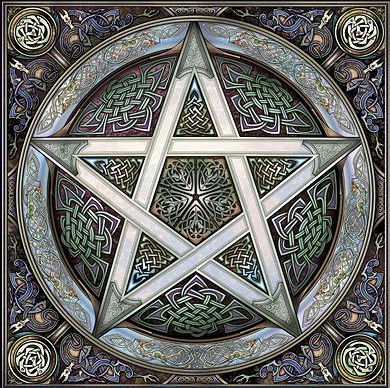
Place several long stalks of reed or cattails in a tall vase in your bedroom to enhance passion and sex especially if there are issues in a relationship. For protection in ritual or spell work, cut six equal lengths of reed to lay out in two triangles to form a pentagram on your altar. Stalks of reed or cattails on your altar will help you to connect with ancestors. Burn a piece of reed to honor any household spirit as well as to bring unity and loyalty to your family. Pull apart a cattail flower spike to make a protection sachet/amulet that you wear during journeys to other realms.
In October, we see the Blood Moon travel through the sky. This moon is also called the Shedding Moon or the Falling Leaf Moon, depending on where you live. In many places, it’s the Hunter’s Moon, and it’s no coincidence that hunting season is in the late fall. Coming right before Samhain, this is a time when the nights are crisp and clear, and you can sense a change in the energy around you.
October Full Moon Correspondences
Colors: use colors like dark blue, black, and various purples in your altar decor or candle magic, to symbolize the darkening of the skies this time of year.
Gemstones: Obsidian, amethyst, and tourmaline are all associated with Samhain and the October full moon; these are stones often connected to magic that protects us from evil or negative energies.
Trees and flowers: Apples and yew are two of the many trees tied into the Samhain season. You can also incorporate sacred flowers such as marigolds and chrysanthemums, which come in handy when working with the spirit world. In some traditions, they’re a centerpiece for funeral decorations or grave memorials.
Gods: Herne, Apollo, Cernunnos, and Mercury are representative of the late harvest season.
Herbs: Use apple blossom, pennyroyal, mint family, catnip, and Sweet Annie in your magic this time of year.
Element: Air is often tied to October’s full moon, so focus on magic related to communication, wisdom or the powers of the mind. Air carries away your troubles, blows away strife, and carries positive thoughts to those who are far away.
How to Celebrate the October Full Moon
This is the time of year for hunting and gathering, stocking up on provisions, and making plans for the coming winter. The dark and cold nights are a reminder that for our ancestors, this was a time to consider mortality – those who failed to plan accordingly in late fall could freeze or starve to death before winter ended. Set aside a few hours to can your garden vegetables, hang the last of your herbs to dry someplace indoors, and begin figuring out what sorts of things you can do over the winter to help keep yourself warm and well fed. If you knit, sew, or crochet, stock up on yarns and fabrics so you can begin working on new projects when it’s too chilly and dark to do anything outside.
You may also want to use this moon phase to do a ritual honoring your ancestors. Work on your genealogy, dust off the family heirlooms, and hang some photos of your clan and kin around the house. Decorate your altar with symbols of the Samhain season, as well as with items that help you connect to all of those in your bloodline.
Keep in mind that this is the season when the veil between our world and the spirit world are at its thinnest. Use this time for spiritual growth; if there’s a deceased ancestor you wish to contact, this is a great month to do it. Hold a séance, work on your divination, and pay attention to messages you get in your dreams. Remember to be safe if you do this!


 Learning Wicca and the Tradition of the Craft